





Power cuts have become so routine in Kenya that many small business owners now plan their work around outages instead of electricity.
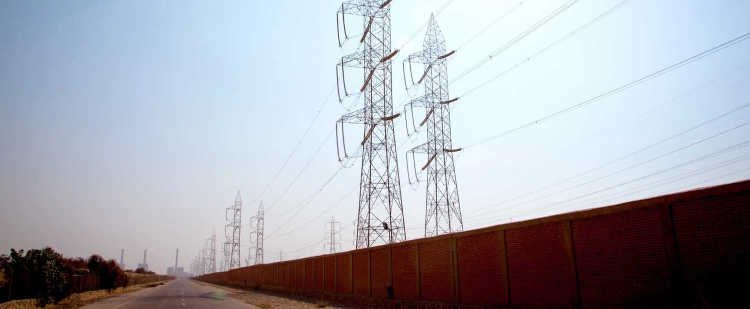
Development Diaries reports that Kenya Power has announced scheduled electricity interruptions across ten counties, including Nairobi, Mombasa, Kisumu, Kwale and Taita Taveta, for Tuesday, 28 July, as part of planned maintenance on its electricity network.
Planned maintenance is expected in any power system, but repeated interruptions continue to impose high costs on households and small businesses that depend on electricity to earn a daily income.
For many traders, every outage means more than lights going off, as a butcher loses refrigerated meat, a hairdresser turns customers away, a tailor watches sewing machines fall silent, while small businesses across affected communities lose hours they cannot recover.
The repeated interruptions are exposing a long-running problem with the reliability of electricity supply in the country, with Kenya’s ageing infrastructure, delayed maintenance, limited investment and weak regulatory enforcement leaving consumers paying for a service that still offers no consistent guarantee of supply.
Kenya Power supplies the electricity, the Energy and Petroleum Regulatory Authority (EPRA) regulates the sector and protects consumers, while the Ministry of Energy is responsible for national policy and long-term investment.
Frequent interruptions across multiple counties therefore raise questions for every institution responsible for keeping electricity available and reliable.
Kenya’s constitution guarantees economic and social rights under Article 43 and consumer rights under Article 46, including access to goods and services of reasonable quality.
In today’s economy, electricity is no longer a convenience because it keeps food fresh, powers small businesses, supports digital payments and enables millions of people to earn a living.
The burden falls most heavily on those with the fewest alternatives, and these are small traders who rarely own generators or solar backup systems, leaving women running food stalls, neighbourhood shops and market businesses among those who lose the most whenever electricity disappears.
Students in low-income households also lose study time, while rural communities connected to longer and more fault-prone electricity lines often experience even greater disruption.
The difference between wealth and poverty becomes obvious during every outage, as businesses with generators continue to operate while those without simply wait, losing customers and income until power returns.
Consumer advocates have repeatedly argued that county-by-county reliability data would allow citizens to compare service quality, identify persistent failures and demand improvements.
Without that information, recurring outages become accepted as part of everyday life instead of being treated as a public service failure requiring accountability.
Citizens should document electricity interruptions, report service failures to the EPRA and pursue compensation where service standards have been breached, while business associations should demand that reliability data for every county be made publicly available.
The EPRA should publish outage frequency and reliability data by county and enforce service standards through measurable penalties, while Kenya Power should establish a transparent compensation framework for businesses that suffer losses from avoidable service interruptions.