


The war in Sudan’s Darfur region has already claimed thousands of lives, but the people accused of directing the atrocities are still waiting to hear the sound of an arrest warrant.
Development Diaries reports that the International Criminal Court (ICC) says its investigators have now gathered evidence linking atrocities committed during Sudan’s current conflict to senior leadership, despite not issuing a single public arrest warrant since the war began more than three years ago.
The breakthrough follows a visit by ICC Deputy Prosecutor Nazhat Shameem Khan to eastern Chad, where investigators met survivors and gathered what the court describes as strong evidence connecting mass killings and other crimes to those at the top of the chain of command.
It also comes after Amnesty International concluded that the Rapid Support Forces (RSF) committed crimes against humanity and ethnic cleansing during their campaign to seize El Fasher, adding that the documented abuses may also amount to genocide.
Those findings expose a troubling contradiction, as the ICC says it now has evidence reaching those who gave the orders, but the people accused of directing the violence have neither been publicly charged nor subjected to arrest warrants.
That delay cannot be explained by a lack of legal authority because the United Nations Security Council referred the Darfur situation to the ICC years ago, and the court itself now says investigators have overcome the difficult task of linking crimes committed on the ground to those responsible for directing them.
Responsibility now rests with the ICC Office of the Prosecutor, which decides when to seek arrest warrants, while the United Nations Security Council carries responsibility for supporting enforcement and civilian protection. The RSF, which controls many of the areas where the worst atrocities occurred and has refused to cooperate with investigators, remains responsible for the crimes themselves.
The Rome Statute exists to ensure that genocide, crimes against humanity and war crimes do not go unpunished, while victims retain the right to justice and redress. Every year that passes without arrest warrants tests whether those guarantees remain practical protections or simply legal promises.
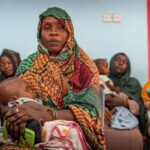
Communities targeted because of their ethnicity continue to pay the highest price, as violence in El Geneina and El Fasher has overwhelmingly affected non-Arab populations, while women and girls have endured widespread sexual violence, children have been killed and injured, and families trapped by the fighting have faced deliberate starvation after being cut off from food and humanitarian assistance.
Reaching command-level evidence is an important investigative milestone, but survivors are still waiting for the action that gives such evidence meaning.
Citizens, civil society organisations and advocacy networks can continue documenting survivor testimonies, preserving evidence and demanding that the ICC publicly indicate when it intends to seek arrest warrants, ensuring that international attention does not fade before justice begins.
Institutionally, the ICC should translate its stated investigative breakthrough into public arrest-warrant applications within a defined timeframe, while the United Nations Security Council should strengthen civilian protection efforts and back enforcement of any warrants eventually issued.
States party to the Rome Statute should also cooperate fully with investigations and arrests because every delay risks reinforcing the belief that those responsible for mass atrocities can simply outlast the international justice system.
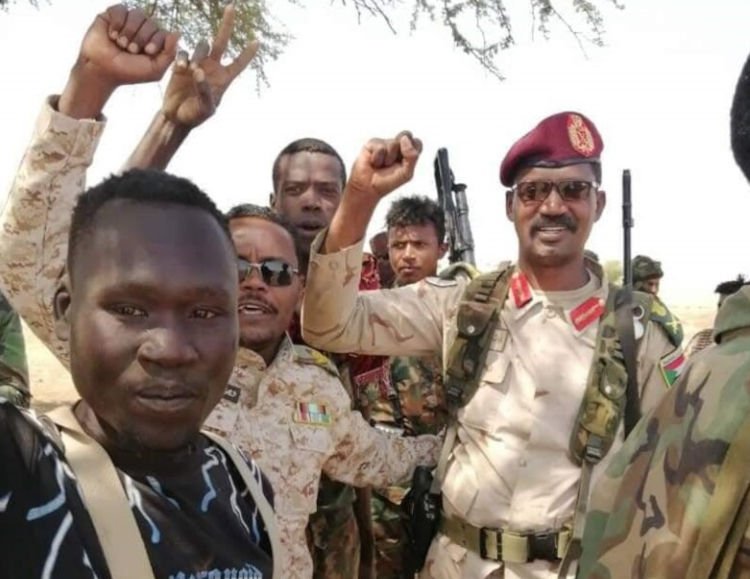
Photo source: Dabanga