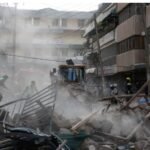

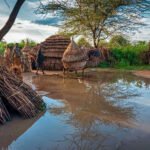



In parts of Africa, residents are fighting sewage in their streets, searching for clean drinking water and watching cholera spread, while the authorities responsible for keeping water safe struggle to fix the systems that put their lives at risk.
Development Diaries reports that Zambia recorded 3,099 cholera cases and 68 deaths by 16 November, 2026, while the Democratic Republic of Congo (DRC) had reported 65,698 suspected cases and 1,892 suspected deaths across 22 provinces.
In Burundi, cholera has reached several neighbourhoods of Bujumbura, including Gihosha, where residents recently reported shortages of drinking water.
And in South Africa, its water problems have taken a different form, with residents in Durban filling sewage-damaged potholes themselves and communities in Gauteng and KuGompo City reporting restrictions, poor water quality or dry taps.
In neighbouring Zambia, the numbers have climbed quickly, with the country recording 1,958 cases and 40 deaths; two weeks later, the death toll had risen to 68, with cases reported in 27 districts across seven provinces.
The World Health Organisation (WHO) has described the DRC outbreak as the worst cholera outbreak in decades, as the outbreak spread through areas already battered by insecurity, particularly North and South Kivu, where violence makes it harder for health workers to reach communities and contain infections.
The WHO’s 2026 mortality rate is around three percent, unusually high for a disease that can often be treated with prompt rehydration. Three new cases have also been reported on the outskirts of Kinshasa, raising concerns about further spread during the rainy season.
But health workers treating cholera are left managing the consequences of failed water and sanitation systems. While rehydration can save infected patients, it cannot stop transmission when people continue to drink water contaminated by sewage.
That is the lesson from Durban’s KwaMashu, where residents say they have almost stopped reporting sewer and water leaks to the eThekwini municipality, with one man resorting to filling potholes caused by sewage overflow with rubble and a broom.
Another failure is the information used to track outbreaks, with the WHO warning that weaknesses in Africa’s health information systems undermine the ability to identify threats and deliver healthcare.
The reported figures may therefore be lower than the actual burden, especially where conflict, displacement and poor access keep health workers away from affected communities.
The consequences fall hardest on people who have the least room to absorb another crisis, and these include children under five, who can die quickly from dehydration, while pregnant women face risks to their own health and their babies.
Women and girls often spend more time collecting water when taps fail, losing hours that could have gone to school, paid work or rest. And for persons with disabilities, distant water points and inaccessible sanitation facilities can make basic hygiene difficult and unsafe.
The right to water and sanitation was recognised by the United Nations General Assembly in 2010, while Sustainable Development Goal 6 commits governments to safe water and adequate sanitation for all by 2030.
South Africa’s constitution also guarantees everyone the right to sufficient water. But these commitments are worth little to residents who have to sweep sewage from the road or wait for a tap that may not run.
Residents in affected districts should demand current water-quality results from their local water authorities and keep dated records of faults and complaint reference numbers. Community health committees should also request district cholera vaccination coverage and the location of the nearest treatment centre.
In eThekwini and Johannesburg, residents can take unresolved fault records to ward committees and the South African Human Rights Commission, while the authorities must answer with more than outbreak figures. The country’s Department of Water and Sanitation should also set and enforce a maximum period for fixing sewage overflows in residential areas.
Africa CDC and WHO AFRO should publish a continental assessment identifying the water-treatment and distribution gaps driving outbreaks, just as the governments of the DRC, Zambia and Burundi need to disclose their 2027 water-infrastructure budgets alongside emergency health spending, so citizens can see how much is being invested in preventing cholera rather than treating it after it spreads.
A fault log that grows quieter because residents have given up is a warning that the people living with the problem no longer expect the people in charge to fix it.