



The proposed five percent tax on refined petroleum products, set to take effect in January 2026, comes at a time when Nigerians are still struggling under the crushing weight of subsidy removal, soaring inflation, and an economy that offers little relief for the common man.
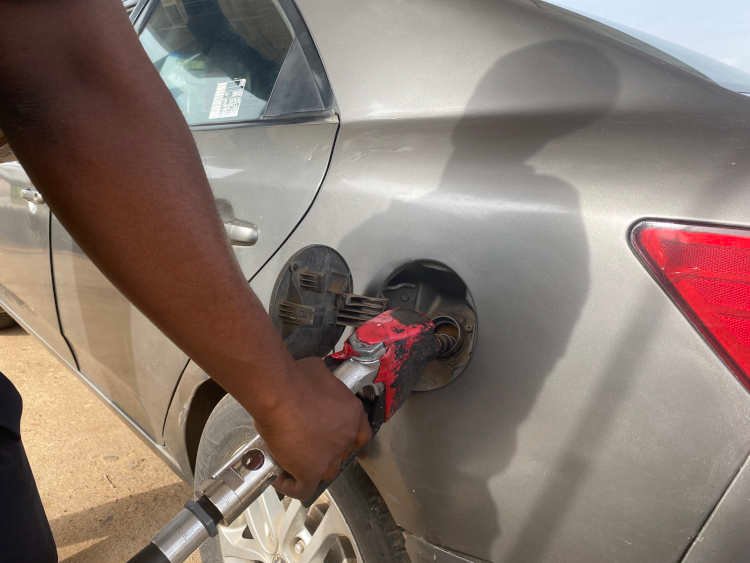
Development Diaries reports that the federal government recently announced the introduction of a five percent surcharge on petrol and diesel sales.
It is understood that the levy is part of the newly signed Nigeria Tax Administration Act, one of four tax reform bills signed into law by President Bola Tinubu on 26 June, 2025.
According to the legislation, a surcharge must be imposed at the point of sale on all supplies or sales of refined fossil fuel products in Nigeria, whether they are imported or locally manufactured.
With petrol prices already hovering around N950 per litre, almost five times what they were before President Tinubu assumed office, the planned surcharge would only worsen the cost-of-living crisis.
For millions of households who rely on petrol not just for transportation but also for powering small generators due to the failure of the national grid, this policy represents an additional blow to survival.
Stakeholders have opposed this development, and rightly so. Nigerians are already paying a steep price for economic policies that have not translated into improved living conditions.
Reports show many families dedicating over half their income to fuel and energy needs, while others have reverted to firewood and charcoal for cooking, exposing them to health risks and environmental harm.
Even the so-called substitute, CNG, has grown costly, going from roughly N230 to N450, and the promised CNG subsidies have quietly disappeared.
In this situation, introducing another tax on petroleum products cannot be defended as a strategy for fiscal sustainability. It is, at best, a poorly timed policy and, at worst, an act of gross insensitivity.
The government says the tax will help raise money outside oil and promote financial discipline. But this argument does not hold water when government spending keeps rising, debts keep piling up, and there are even reports of plans to increase the salaries of politicians.
While the political class secures itself with privileges, ordinary Nigerians are asked to tighten belts that have long run out of holes.
This disconnect between policy intent and the lived reality of citizens keeps deepening public resentment and eroding what little trust remains in the government’s ability to act in the people’s interest.
Development Diaries calls on President Tinubu to reconsider this tax and instead pursue more equitable, people-centred measures to stabilise the economy.
A responsible path forward would involve cutting waste in governance, plugging leakages, and ensuring that revenues already collected are channelled into healthcare, education, energy transition, and social safety nets. Nigerians cannot be perpetually taxed into poverty to finance inefficiency and elite comfort.
This five percent fuel tax should be shelved, because leadership is not about piling burdens on weary citizens but about finding solutions that allow them to breathe and live with dignity.