




With elections approaching in Nigeria and Kenya, unresolved legal disputes, questions about electoral compliance and uncertainty within election management institutions are putting preparations for the polls under pressure.
Development Diaries reports that the Independent National Electoral Commission (INEC) is facing questions over its compliance with the Electoral Act 2026, following disclosures by its Deputy Director of Information and Publicity, Wilfred Ifogah, during a recent interview.
The concerns come amid a Federal High Court judgment that invalidated the leadership of the African Democratic Congress (ADC) led by former Senate President David Mark and the process that produced former Vice-President Atiku Abubakar as its presidential candidate.
Atiku has vowed to challenge the judgment, while the party’s Presidential Campaign Council is preparing to seek a stay of execution and pursue an appeal.
In Kenya, the Independent Electoral and Boundaries Commission (IEBC) faces a different challenge, as a court injunction has halted interviews for its chief executive position following a petition questioning the transparency of the recruitment process.
An election depends on an accurate voter register, a sound legal framework, a functioning electoral commission and a settled list of candidates. These arrangements require time and careful planning, and when they remain uncertain close to election day, electoral authorities have less room to organise effectively, while voters have fewer opportunities to verify their details and understand their choices.
In Nigeria, questions about compliance with the Electoral Act 2026 should have been addressed early enough to give political parties, election officials and citizens clarity about their obligations.
The ADC dispute, meanwhile, exposes weaknesses in party administration. Section 84 of the Electoral Act provides for the selection of candidates through party primaries, while party constitutions govern internal leadership arrangements.
When parties fail to manage disputes through transparent and lawful procedures, competing factions can turn to the courts, leaving members and voters uncertain about who has the authority to select candidates.
Judges must resolve cases brought before them, but political parties should not leave their internal processes so unclear that every disagreement becomes a legal battle.
Kenya’s recruitment dispute highlights the need for stable leadership within electoral institutions, with an electoral commission needing competent leadership to coordinate procurement, voter education and polling arrangements.
The IEBC selection panel and the National Assembly’s Justice and Legal Affairs Committee should therefore explain how the recruitment process was conducted and publish the criteria and scoring methodology before interviews resume.
The legal frameworks in both countries recognise citizens’ rights to participate in elections, with Section 77(1) of Nigeria’s constitution providing for elections to the National Assembly by registered voters, while Article 38 of Kenya’s constitution guarantees citizens political rights, including the right to be registered as voters and participate in free, fair and regular elections.
Both countries have ratified the African Charter on Democracy, Elections and Governance, which commits states to strengthening independent electoral institutions and promoting democratic elections.
Meanwhile, poor electoral planning can affect some voters more severely than others, with women whose registration records carry names they no longer use likely to encounter discrepancies, while internally displaced persons in Borno, Yobe and Adamawa may struggle to access polling units linked to their former places of residence.
Persons with disabilities, on their part, depend on accessible polling stations and assisted-voting arrangements that require planning and funding. Rural voters may equally struggle to correct registration errors when designated offices are far from their communities.
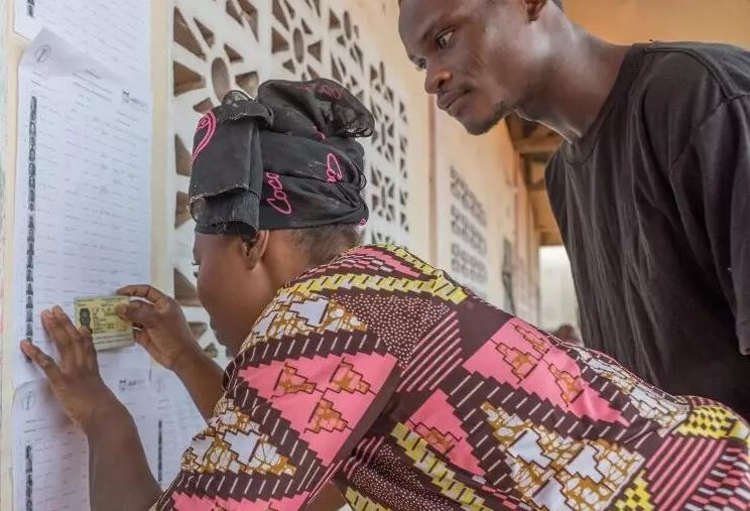
Citizens should verify their registration details through the official INEC and IEBC portals, report discrepancies in writing and keep records of their complaints.
Those who encounter inaccessible polling units or inadequate assisted-voting arrangements should document the problems and report them to the relevant commission, copying accredited observer groups such as Yiaga Africa in Nigeria and the Elections Observation Group in Kenya.
For their part, political parties should publish their candidate-selection timetables and dispute-resolution procedures so members can understand how decisions are made and challenged.
As for INEC, it should publish a constituency-level audit of the voter register, disaggregated by sex and assisted-voting requests, and allow citizens to report errors before the register is finalised.
The National Assembly’s Committee on Electoral Matters should convene a public hearing on compliance with the Electoral Act 2026 and require the commission to respond to documented concerns.
In Kenya, the IEBC selection panel should publish its recruitment criteria and scoring methodology, while the National Assembly’s Justice and Legal Affairs Committee should ensure that the process is transparent and lawful.
Electoral commissions cannot prevent every court case or political disagreement, but they must ensure that these disputes do not derail election preparations.