




The Democratic Republic of the Congo (DRC) is debating how to extend political power while an Ebola outbreak is spreading, exposing a government that appears more focused on constitutional manoeuvres than a public health emergency claiming lives.
Development Diaries reports that the DRC’s National Assembly passed a referendum bill on 09 June, 2026, creating a legal framework for national referendums and introducing a mechanism that critics believe could ultimately be used to weaken constitutional term limits protecting the country from indefinite presidential rule.
The bill formally leaves the Article 220 provision, which prohibits any amendment to the number or duration of presidential terms, untouched. However, the legislation introduces an exceptional pathway that allows constitutional changes through a constituent assembly when state institutions experience what is described as a ‘major dysfunction’.
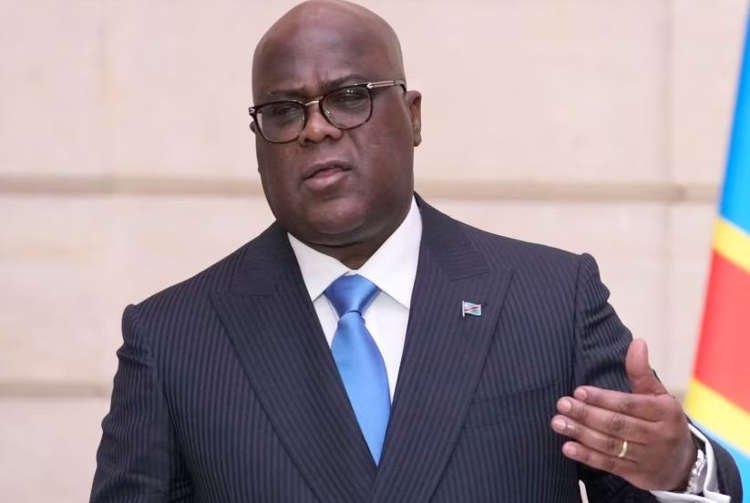
President Felix Tshisekedi’s second and final constitutional term ends in 2028. But speaking in May 2026, he said he had not asked for a third term but would accept one if the people wanted it.
The timing of the vote has intensified criticism because parliament approved the bill while the country was grappling with a worsening Ebola outbreak.
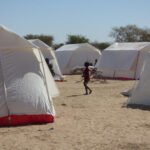
By the day lawmakers passed the legislation, more than 100 people had died and confirmed cases had reached 550, while frontline health workers were reporting attacks and humanitarian access remained restricted in parts of the country affected by armed conflict.
The playbook is familiar
Opposition leader Moïse Katumbi described the referendum bill as a strategy designed to facilitate what he called a constitutional coup.
The accusation reflects concerns that have surfaced repeatedly across Africa whenever constitutional reform processes emerge close to the end of a president’s final term. Several countries have seen term limits altered, removed, or bypassed through referendums, constitutional reviews, and legal mechanisms that preserve the appearance of constitutional order while producing a different political outcome.
The DRC’s Article 220 was specifically designed to prevent that scenario. Rather than directly challenging the provision, critics argue that the referendum bill creates an alternative route around it by establishing a mechanism that could place constitutional questions before a constituent assembly.
Whether such a pathway would survive legal scrutiny remains uncertain. Constitutional lawyers remain divided, and the Constitutional Court could eventually be asked to intervene. What is already clear is that many Congolese view the bill less as a referendum law and more as the opening stage of a wider political project.
The international dimension
The referendum debate has also become entangled with the DRC’s growing relationship with the United States.
One analyst quoted by DW suggested that strategic mineral agreements between Kinshasa and Washington have strengthened Tshisekedi’s political confidence. Tshisekedi himself contributed to the discussion when he suggested that some reforms requested by American partners could require constitutional changes.
That statement has generated concern because it creates the impression that international partnerships are being cited to justify domestic constitutional adjustments.
If foreign investment and strategic agreements become arguments for changing constitutional safeguards, citizens have reason to ask whether economic partnerships are strengthening democratic institutions or creating new incentives to weaken them.
What is failing
A parliament dominated by the ruling coalition is advancing a political process that opponents believe could eventually weaken protections against extended presidential rule.
Another problem is public health governance, as a country confronting a serious Ebola outbreak has not demonstrated the level of institutional urgency that such a crisis demands, despite growing fatalities and repeated warnings from health authorities.
Citizens’ rights
The African Charter on Human and Peoples’ Rights guarantees citizens the right to participate freely in the government of their country. That right carries little practical meaning when constitutional protections against indefinite incumbency become vulnerable to procedural workarounds.
The same charter also recognises the right to health.
The DRC’s current crisis places both rights under pressure, as citizens face uncertainty about the future of constitutional term limits while communities affected by Ebola continue to struggle for adequate protection and support.
Women and communities bear the burden
Women are usually the primary caregivers in households affected by Ebola, the first to absorb the economic consequences of illness and quarantine, and among the least represented in political institutions, making decisions about national priorities.
At the same time, communities directly affected by the outbreak have little influence over constitutional debates unfolding in Kinshasa, even though they are the ones living with the consequences of delayed health interventions and weakened public trust.
What needs to happen
The Constitutional Court should provide clarity on whether the constituent assembly mechanism introduced by the referendum bill is compatible with Article 220 and the protections it was designed to guarantee.
The African Union and the African Commission on Human and Peoples’ Rights should also examine whether the proposed constitutional pathway aligns with regional commitments to democratic governance and constitutional order.
Meanwhile, the DRC government must demonstrate that the Ebola outbreak is receiving the level of attention, resources, and political commitment expected during a national emergency.
When parliament finds time to debate the future of presidential power while an outbreak is spreading and health workers are being attacked, citizens are entitled to ask which crisis their leaders consider most urgent.
Photo source: Reuters