






South Africa has reached the point where the national government believes withholding money from local councils is the only way to make them obey the law.
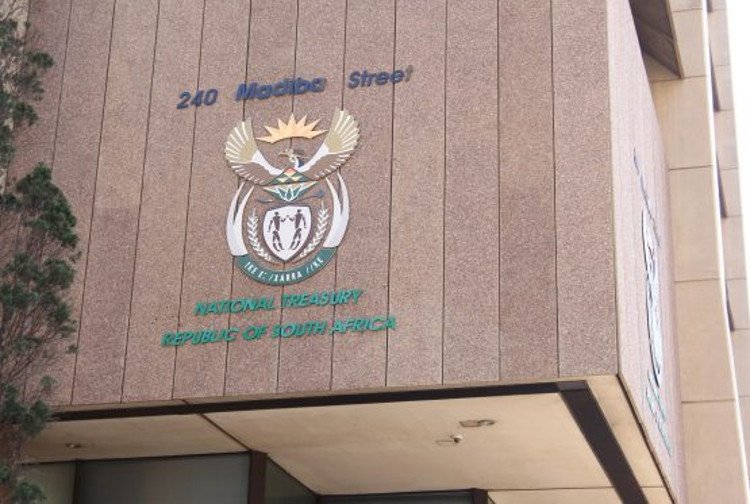
Development Diaries reports that the country’s National Treasury has temporarily withheld July 2026 equitable share transfers to 69 municipalities, including Johannesburg, Nelson Mandela Bay, Mangaung and Buffalo City, after repeated failures to comply with the Municipal Finance Management Act.
The decision reflects years of financial indiscipline rather than a sudden crisis, with Finance Minister Enoch Godongwana saying that the measure is intended to restore accountability, improve fiscal discipline and protect public services, while official records show municipalities accumulated R24.12 billion in fruitless and wasteful expenditure between the 2021/2022 financial year and 2026.
The freeze also exposes how deeply municipal accountability has broken down, as councils have repeatedly ignored financial regulations, irregular expenditure has gone unresolved and Municipal Public Accounts Committees have often failed to recover lost funds or discipline officials responsible for mismanagement.
After years of warnings, audits and recommendations producing little change, the National Treasury has turned to the one sanction municipalities cannot easily ignore by withholding the money they depend on.
Municipal councils and their accounting officers are directly responsible for managing public funds, while Municipal Public Accounts Committees are expected to ensure that financial misconduct is investigated and corrected.
The National Treasury and the Auditor-General of South Africa provide external oversight, and the constitution empowers the treasury authority to intervene when municipalities repeatedly fail to meet their financial obligations.
South Africa’s constitution also guarantees access to basic services such as water, sanitation and a healthy environment, while the Municipal Finance Management Act exists to ensure public money is used to deliver those services.
Therefore, municipalities that repeatedly squander public funds are failing to meet constitutional obligations owed to the people they govern.
The consequences are felt first by the communities least able to absorb them. The equitable share exists largely to fund basic services in poor communities, meaning township residents, informal settlements and low-income households are most likely to experience the effects whenever funding is interrupted.
Women managing households, older persons, people living with disabilities and families already struggling with unreliable water and electricity face the greatest hardship when essential services become even less certain.
The National Treasury insists the suspension is temporary and tied to compliance, but withholding funds alone cannot become a substitute for fixing the governance failures that created the crisis.
Residents should not bear the cost of decisions made by councillors and officials who mismanaged public resources, making transparency over remediation just as important as the sanctions themselves.
Residents should demand that their municipalities publish compliance reports and Municipal Public Accounts Committee findings during ward meetings and public participation sessions, while community organisations monitor whether the funding suspension disrupts water, sanitation or other essential services and report those failures immediately.
The National Treasury should link every future release of withheld funds to publicly available, time-bound remediation plans while protecting financing for essential services throughout the intervention.
For the Municipal Public Accounts Committees, they should clear outstanding cases of irregular expenditure, pursue recovery of lost public funds and hold responsible officials accountable, while the auditor-general should publish an accessible dashboard showing the financial compliance status of every municipality so citizens can easily identify which councils are failing them.
Photo source: South African Government News