




Fourteen people were killed in Plateau State, north central Nigeria, in one week, including a couple and their twin children, while soldiers were reportedly stationed just five miles from one of the attacked communities.
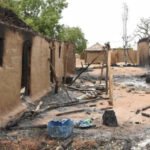
Development Diaries reports that gunmen attacked Zwaghal village in Mangu at about 9:30pm on Sunday, 15 November, killing a couple and their twins in a house on the village outskirts.
The attackers, it was gathered, arrived on a moonless night, while troops were reportedly stationed nearby.
Earlier that Sunday, 42-year-old Dauda Davou was killed in Riyom, while 79-year-old Da Ishaku Pam Vwos was killed in Barkin Ladi that evening.
Then on Monday, gunmen ambushed and killed David Mashat, a commander of Operation Rainbow, Plateau State’s civilian security outfit, in Manguna District, Bokkos.
On Thursday night, 55-year-old Sati Kalbas, a security guard at Plateau State University, Bokkos, was shot dead in Darwat community, Barkin Ladi, while returning home with his wife.
The attacks came less than two days after the Plateau State government lifted its state of emergency, and as of 16 November, neither the state government nor the Plateau State Police Command had issued an official statement addressing the killings.
Four days before the Zwaghal killings, Plateau’s security situation had been discussed at a hearing of the United States House Foreign Affairs Subcommittee on Africa.
On 12 November, Assistant Secretary of State Riley Barnes told lawmakers that Nigeria had hired police, deployed forest guards and increased arrests and prosecutions following its Country of Particular Concern designation, but those measures had not made Christians in the north central safer.
The failure is visible in what happens after an attack, as there is no publicly accessible incident register showing each case, the investigation number, arrests made or charges filed.
Earlier in November, after gunmen killed four people, including a soldier, in Bel village, Barkin Ladi, a community leader said no arrests had been made following either of two attacks that night.
Without a record, families cannot easily follow their cases and the public cannot tell whether investigations are progressing or quietly abandoned.
There are also questions about where security resources are being deployed, as Representative Riley Moore asked why Benue and Plateau, among the states hardest hit by violence, were excluded from the latest federal forest guard expansion, which covered ten other states.
The Federal Ministry of Interior has yet to publicly explain the selection criteria or why communities facing repeated attacks were left out.The Plateau State Government, the police, Defence Headquarters, the Office of the National Security Advisor and the Ministry of Interior are all responsible for protecting these communities and accounting for the security failures.
Section 14(2)(b) of the Nigerian constitution says the security and welfare of the people shall be the primary purpose of government, while Section 33 protects the right to life.
Those guarantees mean little to families who cannot safely sleep in their homes or travel the roads to their farms. The Safe Schools Declaration also commits Nigeria to protecting education from attack, a duty tested when a university security guard is shot dead while returning home.
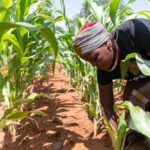
The cost reaches far beyond the immediate victims, as women lose planting and harvesting seasons when attacks force them from their farms, while displacement interrupts antenatal care and household income.
Children orphaned in night raids need support to return to school, but without a register of affected children, their education can disappear from the government’s response, while older people and persons with disabilities face particular danger when protection depends on being able to flee at the sound of gunfire.
Community associations should now demand written case numbers for each November attack from the Plateau State Police Command and submit records of the killings to the National Human Rights Commission.
Residents can document the dates, locations, victims and security response, while federal lawmakers should demand that the Interior Ministry explain why Plateau and Benue were excluded from the forest guard expansion.
Within 30 days, the Plateau State government and police should publish an incident register for 2026 showing attacks, deaths, arrests and charges; the Defence Headquarters should disclose the findings of any review into the reported failure to respond at Zwaghal, and the Interior Ministry should publish the criteria used to select states for the forest guard programme and state when Plateau and Benue will be considered.
Plateau residents, who have heard security assurances before, need a record of what happened, investigations that lead somewhere and protection that reaches communities before another family is killed.