




Nigeria has deregulated petrol pricing and adjusted electricity tariffs while household costs keep rising, but citizens still lack the basic information needed to know how these charges are calculated, who sets them and where the money goes.
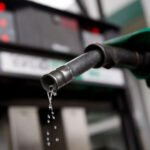
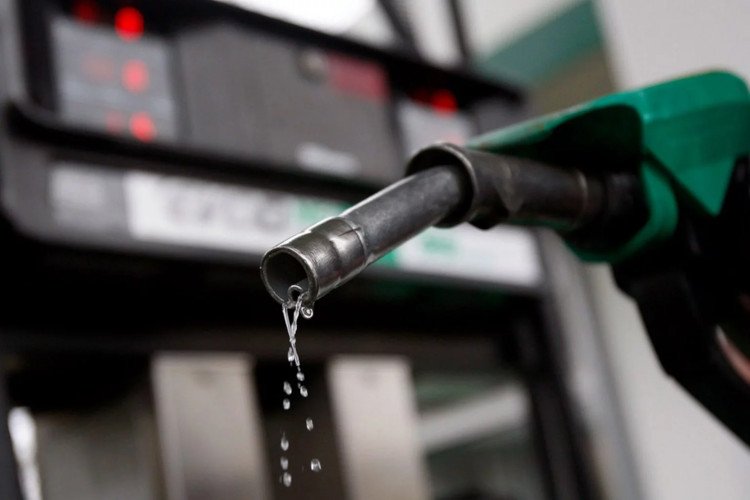
Development Diaries reports that petrol prices have risen to about N1,400 per litre as crude oil climbed above $109 per barrel, while former Vice President Atiku Abubakar has challenged President Bola Tinubu over the increase and called for a probe of Federation Account Allocation Committee (FAAC) allocations.
The same week, Nigeria returned to the JP Morgan Government Bond Index-Emerging Markets after 11 years, with the federal government projecting $17.5 billion in inflows, while it raised N1.23 trillion towards the four trillion naira legacy debt owed to electricity generation companies.
Behind the three headlines is a common problem for ordinary Nigerians who pay the bills but rarely get to see how the numbers were produced.
When Nigeria removed the petrol subsidy, the stated argument was that market pricing would replace government-controlled pricing and free up money for public services.
A functioning deregulated fuel market still requires a pricing template showing the major components of the pump price, including the cost of crude or refined products, logistics, statutory charges and permitted margins, so that consumers and journalists can tell whether a price increase reflects higher input costs or something else.
Nigeria has removed the subsidy without giving the public the same level of visibility into the calculation. The Nigerian Midstream and Downstream Petroleum Regulatory Authority (NMDPRA) has the regulatory mandate over the downstream petroleum sector under the Petroleum Industry Act 2021, but it does not routinely publish a monthly breakdown showing how the pump price is assembled.
So when crude rises above $109 and petrol reaches N1,400 per litre, Nigerians can see the two numbers sitting beside each other, but they cannot independently test how much of the increase came from crude, foreign exchange, logistics, margins or other costs.
Apparently, the market has been deregulated, but the calculator remains a private affair.
And the pressure is easier to see in the household budget, with Nigeria’s headline inflation rate standing at 15.91 percent in June 2026, barely below the 15.93 percent recorded in May, while food inflation was 17.52 percent and monthly food inflation accelerated from 2.98 percent in May to 3.75 percent in June.
Transport costs had also risen 17.1 percent year on year in May, partly reflecting the continuing effect of higher fuel prices.
A falling inflation rate means prices are rising more slowly, not that they have become cheaper, so a worker earning N70,000 can hear that inflation is easing while still spending more on food and transport every month.
The presidency has acknowledged the pressure, with the Chief of Staff, Femi Gbajabiamila, saying that the N70,000 minimum wage is no longer sufficient to meet the practical economic demands facing Nigerians and calling for a reassessment of the living baseline, but a new review arrangement has not followed that admission.
Electricity adds another bill whose final destination is difficult for households to see. The federal government has raised N1.23 trillion against about four trillion naira in legacy debt owed to power generation companies, leaving roughly N2.77 trillion still to be dealt with.
Whether that balance eventually reaches the federal budget, electricity tariffs or another financing arrangement has consequences for consumers, particularly the millions of customers who still rely on estimated billing.
A customer without a meter cannot properly verify how much electricity was consumed, which makes it difficult to challenge a bill when the tariff or the estimated consumption changes.
The NMDPRA, Nigerian National Petroleum Company (NNPC) Limited, Ministry of Petroleum Resources, FAAC, the Revenue Mobilisation Allocation and Fiscal Commission (RMAFC), Office of the Accountant-General of the Federation, the Nigerian Electricity Regulatory Commission (NERC), Nigerian Bulk Electricity Trading (NBET), the Ministry of Power, the Debt Management Office (DMO), and the National Assembly all have crucial roles to play in this matter.
The Nigerian constitution also provides a basis for demanding information from the aforementioned institutions, with Section 16(2)(d) requiring the state to ensure suitable and adequate food, shelter and a reasonable national minimum living wage, while the Freedom of Information Act 2011 places proactive disclosure obligations on public institutions.
Nigeria has also ratified ILO Convention 131, which requires minimum-wage setting to consider workers’ needs, the cost of living and periodic adjustment.
Citizens can test the system themselves by requesting the NMDPRA petrol pricing components, the government’s reconciliation of oil revenue and deductions, and NERC’s treatment of the outstanding power-sector liability through Freedom of Information requests.
Workers can also document minimum-wage violations through the labour inspectorate, while electricity customers can demand proper metering rather than accepting estimates they cannot verify.
The institutions have the responsibility to make these numbers public in forms ordinary people can understand. NMDPRA should publish the petrol pricing template and NERC should disclose how the power-sector liability will be recovered, while the federal government should move the minimum-wage review from public admission to a documented process with a clear timeline.
A N1,500 litre of petrol, a rising food bill and an electricity estimate may look like separate household problems, but they all lead back to the same demand from the citizen who pays for them.