





If a teenager with a smartphone in Africa now does a better job teaching citizens their rights than the state that budgets billions for education, then what the continent is witnessing is quiet institutional surrender dressed up as youth brilliance.
Development Diaries reports that a Heinrich Böll Stiftung report published in April 2026 has shown how young Africans are using TikTok, WhatsApp, and X to organise, protest, teach, and hold power to account in real time.
What looks like ‘Gen Z activism’ from a distance is, up close, a full-blown parallel system doing the work governments were supposed to do in the first place, because after protests in Kenya in 2024 that left at least 65 people dead, these same young people did not just mourn and move on.
In June 2025, a livestream by a Kenyan youth calmly explaining constitutional rights to a police officer reached millions across East Africa in hours.
Reports show that young people have coordinated medical aid, tracked missing persons, raised bail funds, provided legal guidance, and explained constitutional rights in languages people actually understand, all without offices, budgets, or official mandates.
It would almost be funny if it were not so serious, because the same state that cannot explain citizens’ rights in classrooms somehow finds the energy to arrest those explaining those rights online, using laws like Kenya’s Computer Misuse and Cybercrimes Act to go after the very people filling its own governance gaps.
The truth is that these movements are not just shouting into the void; they are building infrastructure, informal but effective, where a WhatsApp group becomes a rapid response unit, a TikTok video becomes a civic lesson, and a viral thread becomes a public archive of accountability.
But that same strength is also the weakness nobody wants to talk about, because leaderless movements are difficult to silence, yet equally difficult to negotiate with, and while they can force governments to retreat on a bad policy, as seen with the withdrawal of Kenya’s Finance Bill, they struggle to turn that moment into long-term reform, structured engagement, or institutional accountability.
And while the internet makes everything look inclusive, it quietly leaves many people behind, because young women in these movements face relentless online harassment designed to push them out of public discourse, young people with disabilities struggle with platforms that are not built for accessibility, and rural youth, dealing with high data costs and limited connectivity, are often spectators to a civic conversation happening in cities that make decisions affecting their lives.
The bigger problem, however, is the gaps in these movements, as formal civic education systems across the continent have failed to evolve, still teaching citizenship as theory rather than practice, while ignoring digital rights, online participation, and the realities of how power actually operates in a networked world.
Meanwhile, platform companies like Meta, TikTok, and X are happy to host this new civic energy but far less consistent when it comes to protecting it, as activists face content takedowns, surveillance risks, and coordinated attacks, often with little transparency or recourse, turning the very tools of mobilisation into potential points of vulnerability.
So what we are left with is a strange arrangement where young people are doing the work of the state without the protection of the state, building systems without the stability of institutions, and defending rights in spaces where those rights are not guaranteed.
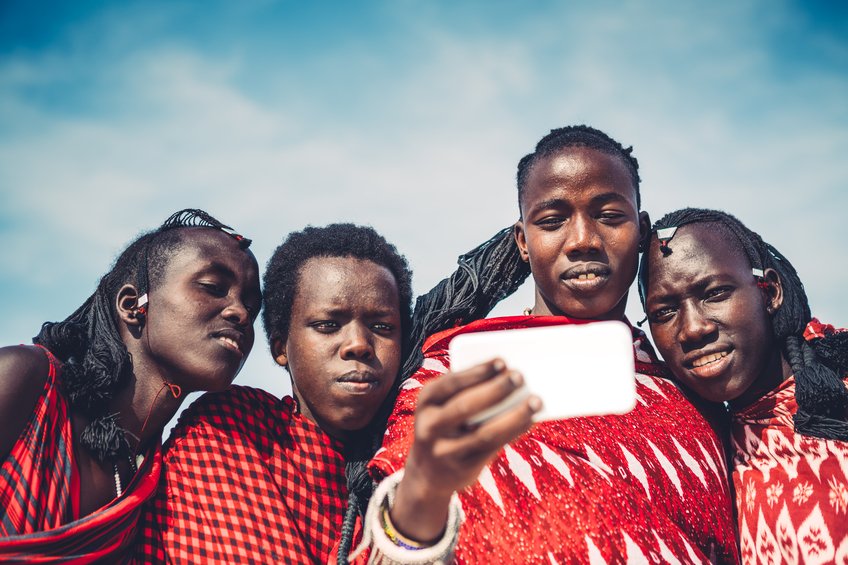
Photo source: Com World Series