




518 people were killed after Samia Suluhu Hassan was declared winner of a disputed election, and the official report that finally admitted those deaths has managed to count the bodies without naming who is responsible for putting them there.
Development Diaries reports that the government-appointed commission led by Mohamed Othman has confirmed that at least 518 people died during the October 2025 post-election violence.
Those killed included 21 children, while more than 2,300 were injured and families are still searching for missing relatives.
It becomes harder to ignore what is missing when the same report includes claims that some of the missing persons may have disappeared for romantic reasons or staged their own abductions, a statement that lowers the standard of what an official inquiry is supposed to be.
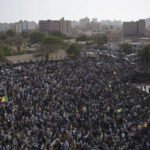
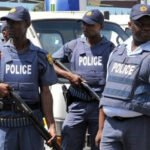
Protests broke out across Tanzania following the October 2025 election in which opposition candidates were barred or detained and President Hassan was declared the winner with 97 percent of the vote, after which security forces responded with live ammunition, a nationwide internet blackout, and mass arrests.
What the aforementioned commission has done is to confirm the scale of the violence while carefully avoiding the chain of command that produced it, which means it did not identify who authorised the use of live ammunition.
It also failed to identify who ordered the shutdown of communications, or which security units were deployed in specific locations, and when a report leaves out the decisions that led to deaths, it stops being a tool for justice and starts becoming a document for managing public reaction.
The government’s next step, which is the announcement of a National Reconciliation Commission, sounds familiar because reconciliation without accountability often functions as a way to move the conversation forward without resolving what happened, especially when the same government frames the violence as the work of criminals rather than examining its own role.
At its core, this is a failure of electoral justice, because elections are not just about counting votes but about protecting lives, and when citizens are killed during a political process, the state has a legal and moral obligation to ensure independent accountability.
The law itself is not ambiguous, as Tanzania’s constitution guarantees the right to life and peaceful assembly, and international standards such as the UN Basic Principles on the Use of Force make it clear that lethal force is a last resort.
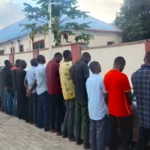
The human cost goes beyond the numbers, because among the dead are children, among the detained are women who now face both legal uncertainty and social stigma, and in rural communities where access to legal support is already limited, the impact of mass arrests and heavy security presence has been deeper and less visible.
Reactions from rights groups have been direct, with Amnesty International calling for an independent and transparent investigation and warning that withholding the full report from the public undermines trust, while a coalition of African human rights organisations has suggested the true death toll could be far higher.
What this moment demands is a shift towards independent scrutiny, because without it, every official figure becomes contested and every assurance of justice becomes conditional on public attention, which fades faster than institutions reform.
For citizens, the response cannot stop at outrage, as outrage without sustained pressure allows the cycle to continue, and what is needed now is a clear demand for the full release of the commission’s report, independent investigations with access to security force records, and public accountability for those who gave and executed the orders that led to these deaths.
For institutions, the responsibility is just as clear, as regional and international bodies must move beyond statements and support mechanisms that can deliver credible investigations, while the Tanzanian government must decide whether it wants to be seen as a system that protects its citizens or one that explains their deaths without explaining itself.
Photo source: Amnesty International