






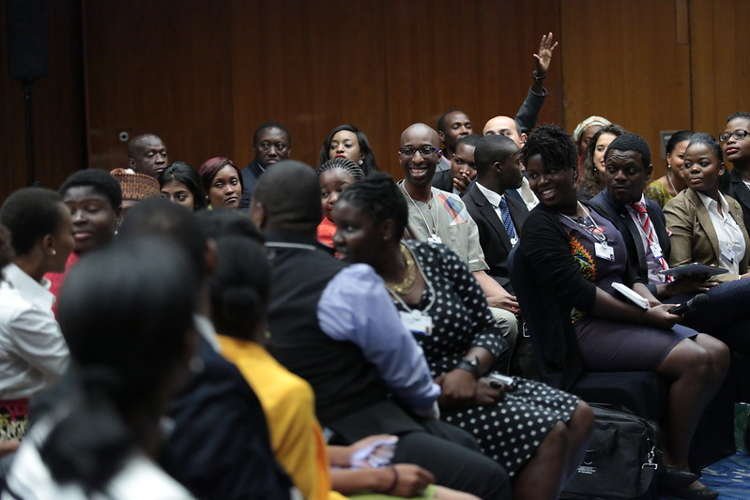
Around the world, youth delegations attend climate summits and national conferences, but their presence often amounts to little more than tokenism.
Development Diaries reports that Africa’s young population suffers the worst impacts of climate change but remains largely shut out of real decision-making.
As one observer puts it, youth engagement in governance is still ‘often approached in a tokenistic manner’. In climate policy, this looks like giving young activists time to speak, but no actual voice in shaping legislation or budgets.
This tokenism is dangerous, as the African Union’s documents recognise youth as a ‘demographic powerhouse’ and call for their inclusion.
Yet, in practice, government climate committees and national adaptation plans rarely include youth representatives with voting power. Key positions remain filled by long-serving bureaucrats or political appointees – the same leaders whose policies have fueled youth unemployment and environmental degradation.
The result is predictable policies that fail to account for young people’s priorities, from green jobs to education, and a growing sense of frustration that youth are used for photo-ops rather than solutions.
The system failure is participatory governance becasue despite promises to ‘harness youth innovation’ in Agenda 2063, many African countries still treat youth involvement as a box to check.
For example, a West African climate summit in late 2025 was preceded by a Youth Assembly that yielded recommendations, yet none were formally adopted in the final accords. Youth continue to advocate for stronger climate action, while policy spaces remain closed.
Responsibility lies with governments and regional bodies. National governments must ensure that climate councils, energy boards and environmental agencies reserve positions for elected or vetted youth leaders.
The AU should hold states accountable by setting quotas for youth participation in national climate task forces or mandating youth advisory panels.
Similarly, international partners like donor agencies should require youth engagement as part of funding climate projects.
For their part, young Africans can push back by demanding seats, calling on parliaments and climate agencies to allocate a fixed percentage of decision-making positions to youth to ensure they cannot be overridden by older members.
In the end, inviting youth to the table without sharing power is empty. Africa’s youth are already on the frontlines of climate impacts, and they are the farmers, students, and entrepreneurs bearing the brunt.
It is far past time to ensure they are on the decision side of the equation, too. Only by moving beyond tokenism can the continent build a truly resilient, intergenerational response to the climate crisis.
Photo source: Paul Kagame