





A cancelled Independence Day parade, months of silence, and a treason trial now unfolding have left Nigerians trying to piece together a story the government has told only in fragments, raising questions about transparency, due process, and who truly answers to the public when national security is involved.
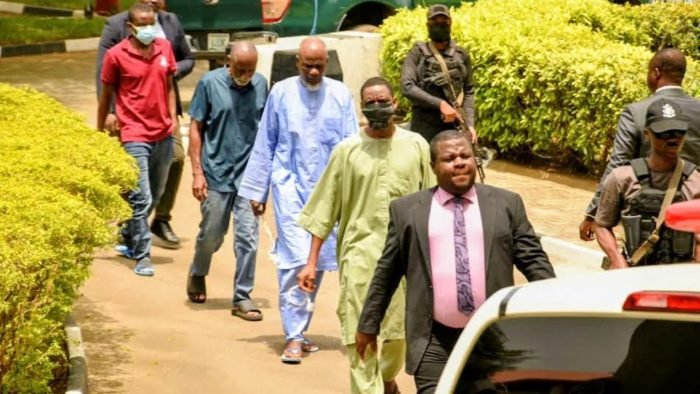
Development Diaries reports that six individuals have been arraigned on charges including treason and terrorism over an alleged plot to overthrow President Bola Tinubu, while former minister Timipre Sylva has also been named in the case and remains at large.
Yet the details available to citizens remain limited to what officials have chosen to disclose, and for a country with a long memory of coups and military interventions, this is not the kind of story that should be told in whispers or half-statements.
When citizens are told that a serious threat to constitutional order has been contained but are not given a full account of how it unfolded, the message begins to sound less like reassurance and more like ‘just trust us’, and trust, in governance, is not built that way.
The composition of those standing trial adds another layer to the story, as the defendants include retired and serving security personnel alongside civilians, suggesting that whatever was alleged did not sit neatly within one institution but crossed boundaries that should ordinarily serve as safeguards.
Whether the prosecution proves its case is for the courts to decide, but the very fact that individuals with access to sensitive state structures are implicated raises legitimate concerns about internal accountability within the security system.
At the same time, the process leading up to this trial has raised questions that cannot be ignored, particularly the months-long detention of suspects before formal charges were filed, a practice that sits uneasily with constitutional protections on personal liberty.
National security is often presented as a reason to stretch legal limits, but when those limits are quietly extended without public explanation, it begins to blur the line between necessary caution and disregard for due process, and that line is one democracies are expected to protect carefully.
The situation becomes even more complex when placed against the broader national context, as Nigeria approaches another election cycle with rising economic pressure and ongoing security challenges, making it difficult to separate the legal process from the political environment in which it is unfolding.
For ordinary Nigerians, this is not just a courtroom drama playing out in Abuja, but a reflection of how the state manages issues that affect public trust, because when something as serious as an alleged coup attempt is communicated in fragments, it creates space for speculation, doubt, and fear, none of which strengthen democratic confidence.
Responsibility for addressing these concerns does not rest with one institution alone, as the National Assembly has the constitutional authority to demand a full account through oversight, the judiciary must ensure that the trial meets the highest standards of fairness and transparency, and rights bodies must examine whether due process was upheld during detention.
Each of these roles is part of the system that is meant to reassure citizens that even in matters of national security, the rule of law still applies.
What makes this moment significant is not just the gravity of the charges but the opportunity it presents to strengthen or weaken public confidence in governance, because how a country handles its most sensitive cases often reveals more than the cases themselves.
Nigeria has faced threats before and will likely face them again, but the real test is whether those moments are used to reinforce democratic principles or quietly sidestep them.
Photo source: The Guardian