



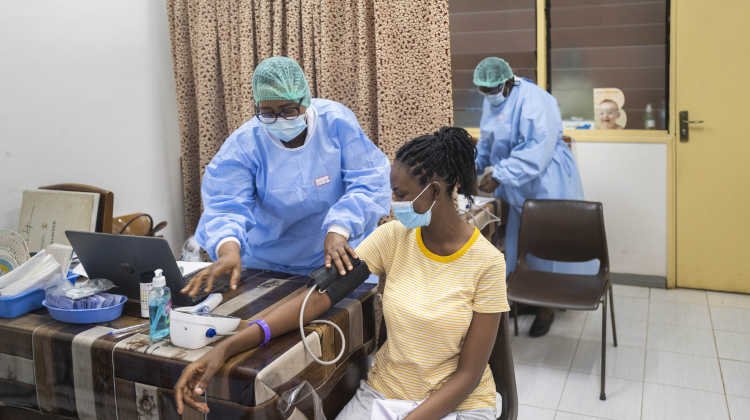
The federal government has released N32.9 billion to primary health centres (PHCs) across Nigeria, but the real question is – will the money reach the people who need it most?
Development Diaries reports that the fund represents the third disbursement for 2025, which is meant to strengthen health facilities at the grassroots and improve service delivery.
According to media reports, it was approved by the Ministerial Oversight Committee (MOC) and guided by the newly launched Basic Health Care Provision Fund (BHCPF) 2.0 Guidelines.
While the Minister of Health, Ali Pate says the new guidelines mark a major milestone in Nigeria’s health reform agenda under President Bola Tinubu, citizens must start asking questions in their communities.
Nigeria’s primary health care system has long been in crisis. According to the PharmAccess Foundation, over 80 percent of the country’s 34,000 PHCs are either non-functional or only partially functional.
Many lack electricity, clean water, basic medical equipment, or trained personnel.
Data from the World Health Organisation (WHO) also estimates that Nigeria accounts for 19 per cent of global maternal deaths, emphasising the urgent need for functional health facilities at the grassroots.
With these grim statistics, the new funding, guided by the BHCPF 2.0, represents an opportunity to repair a broken system, but only if managed transparently.
At this time, citizens cannot afford to be bystanders. Communities must take this as a civic duty. Visit your local PHC, ask questions, and track how these funds are used.
If Nigerians do not follow the money, this disbursement may become just another headline instead of a lifeline for millions who depend on public healthcare.
Minister Pate has assured that the funds are being deposited directly into PHC accounts nationwide and that communities will have a say in how the money is spent.
The government also plans to conduct a Mini Demographic and Health Survey (DHS) in 2026 to measure progress, with preliminary data already showing a 12 percent drop in maternal mortality since 2023.
This progress, though modest, shows that reforms can yield real results if money meets purpose and not politics.
Now is the time for citizens to act. Join your local health committees, attend PHC meetings, and demand transparency from facility managers and local authorities.
Ask to see financial records, monitor projects, and report irregularities to the appropriate agencies or civil society groups.
Health is a shared responsibility, and if Nigerians keep watch, this N32.9 billion could finally begin to heal the nation’s weakest health link: its primary care system.
Photo source: United Nations