





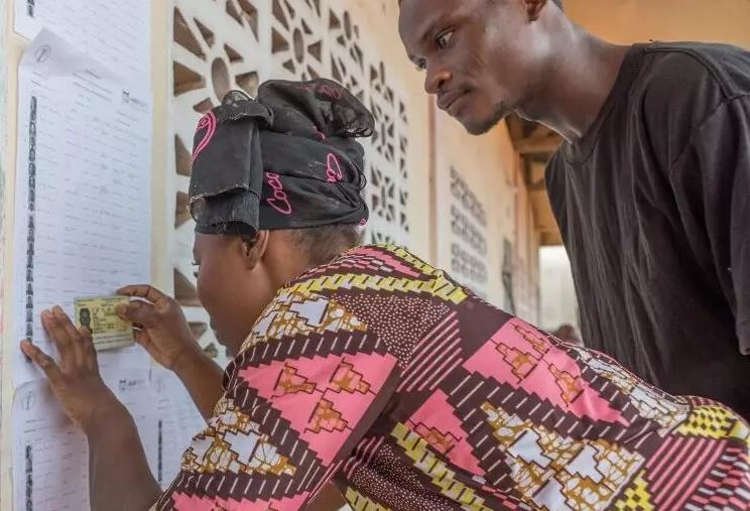
The last day of voter registration in Kenya ended with long queues, tired citizens, and a quiet reminder that access to democracy still depends too much on where you live and how far you can travel.
Development Diaries reports that Kenya’s Independent Electoral and Boundaries Commission closed its Enhanced Continuous Voter Registration exercise on 28 April with 1,876,274 new voters added since 30 March.
That number falls short of the commission’s 2.5 million target by more than 600,000, a gap that says less about apathy and more about who the system is designed to reach.
In places like Isiolo, registering to vote was never a simple errand, as it became a full-day commitment hampered by bad roads, unpredictable weather, weak mobile networks, and long distances between homes and registration centres.
Nairobi led with over 150,000 new registrations, followed by Kiambu, while counties such as Mandera, Wajir, Turkana, and Isiolo recorded some of the lowest figures.
Those are areas where infrastructure is limited, insecurity affects movement, and government services arrive slowly, with one of the biggest barriers coming from a place many do not immediately associate with voting.
Without a national identity card, registration cannot take place, and delays at the National Registration Bureau meant that many eligible voters who had already applied were still waiting when the window closed.
The design of the registration exercise followed a familiar approach, with kits deployed to ward-level centres on rotating schedules, which works in urban areas where distance and transport are manageable.
In remote communities, the same approach translates into long journeys, missed opportunities, and lower turnout, reflecting a system that has not adjusted to the realities of those it is meant to include.
Kenya’s next general election is scheduled for 10 August, 2027, and the consequences of this gap are already forming, with every eligible voter who could not register becoming a missing voice when that day arrives.
The burden of exclusion is not evenly shared, as women in rural areas face added constraints linked to mobility, caregiving, and lower rates of ID ownership; young people who turned 18 during the exercise often found themselves eligible without the documentation required to act on that eligibility, while persons with disabilities encountered physical barriers at centres that were not designed with accessibility in mind, turning participation into a challenge.
Kenya’s constitution guarantees the right to vote, and that guarantee requires making that process reachable under real conditions. But when large groups of citizens are left out through structural barriers, the issue moves from participation to how the system is built.
The responsibility remains with electoral and registration authorities to examine these gaps and address them before the next cycle begins.