




Ghana has allocated GH¢1billion for National Service allowances in its 2027 budget, even as a court hears how tens of thousands of fictitious names collected payments from the scheme over two years.
Development Diaries reports that Detective Sergeant Collins Woode, the fourth prosecution witness in the National Service Authority fraud trial, told the High Court in Accra recently that a forensic examination of the Authority’s Central Management System identified 63,673 names that received allowances despite rendering no service during the 2023 and 2024 service years.
He described them as ‘faceless names’ and testified that the identification details submitted for monthly payments were fictitious.
Two days later, Ghana’s 2027 budget set aside GH¢1 billion for National Service allowances, bringing fresh attention to how the scheme intends to prevent a repeat of the payroll abuse uncovered in court.
The case before Justice Audrey Kocuvie-Tay, with Director of Public Prosecutions Yvonne Obuobisa leading the evidence, concerns an alleged GH¢38.4 million fraud.
Prosecutors allege that a former deputy executive director of the National Service Authority used a private company to obtain a loan from the Agricultural Development Bank, using allowances linked to fictitious payroll names as collateral.
The prosecution says GH¢38,458,248.87 was obtained through source deductions over 11 months, while the accused has pleaded not guilty and is on bail.
The 63,673 names identified in the forensic analysis point to a wider failure in the system, especially when considered alongside the 81,885 suspected ghost names the government uncovered on the National Service Scheme payroll in February 2025.
In June that year, the Attorney-General also announced that investigations had identified GH¢548.3 million in losses to the state through alleged payroll fraud spanning six service years.
The scale of the problem became clearer when the names were removed. In April, the authority’s deputy director-general for operations said its annual payroll, previously about GH¢1.5 billion to GH¢1.6 billion, had fallen to barely GH¢700 million in the previous year.
That is a staggering difference for a scheme meant to support young graduates as they make the transition from school to work.
The failure lies with the National Service Authority, the Controller and Accountant-General’s Department and the officials responsible for verifying the payroll before payments are made.
The Auditor-General’s findings have exposed the scale of the problem, while the Attorney-General’s office is prosecuting the alleged fraud.
These institutions must account for how 63,673 fictitious names made it onto the payroll and received public money without detection.
The obvious safeguard is to verify identities before money is released. If a system can process tens of thousands of fictitious identities over two service years, the problem goes beyond people finding ways to cheat the government.
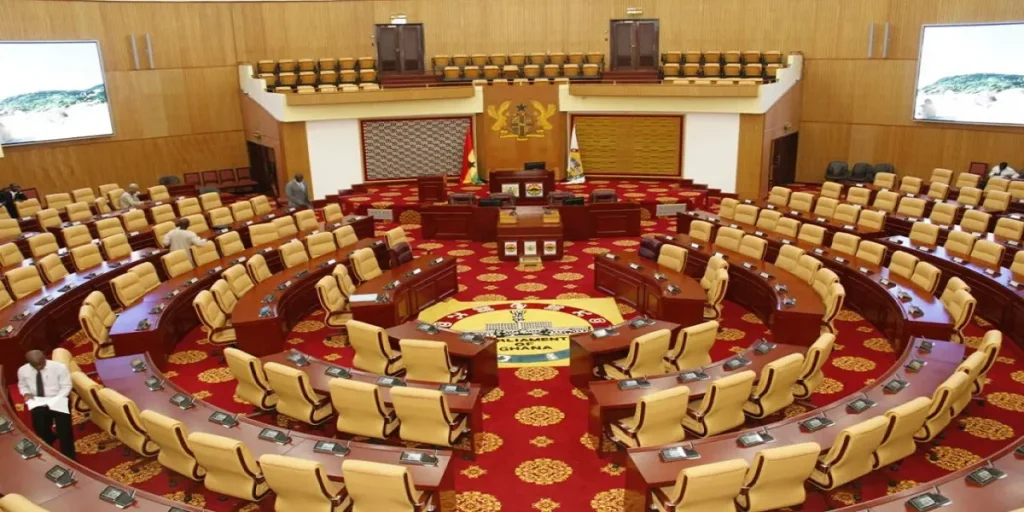
It also points to controls that failed to detect or stop payments that should never have been made. And with the Ministry of Finance allocating another GH¢1 billion to the scheme, parliament has an opportunity to ask what has changed before approving the money.
For many Ghanaian graduates, the monthly allowance is their only dependable income during national service, as those from low-income households often have no family savings to fall back on, while graduates posted far from home must find money for transport, relocation and accommodation while waiting for their payments.
When allowances are delayed or withheld, the burden falls on the very people the scheme is supposed to support because money paid to fictitious names also means fewer public resources are available for the graduates who actually turn up for work.
The scheme is also tied to the state’s responsibility to manage public funds transparently and provide opportunities for young people. Article 187 of Ghana’s constitution gives the Auditor-General the mandate to audit public accounts and disallow and surcharge improper expenditure.
Article 35 commits the state to a system grounded in accountability and probity, while the Public Financial Management Act 2016 places clear responsibilities on public officers who manage government funds.
National service is meant to help graduates move into working life, and a payroll that cannot reliably distinguish serving personnel from fictitious names undermines that purpose.
Ghanaian graduates, student unions and youth organisations should use the 2027 budget debate to press parliament’s finance committee for stronger safeguards around the GH¢1 billion allocation.
One practical demand is quarterly publication of personnel numbers reconciled against the Ghana Card database, so the public can see how many people are enrolled and how many have been verified.
Serving personnel should also report late or missing allowances to the authority and the Auditor-General, helping to build a public record of payment problems.
The institutions responsible for the payroll must also show that the loopholes have been closed. The Controller and Accountant-General’s Department should publish within 90 days the biometric verification status of the 2026/2027 National Service payroll.
Parliament’s finance committee should make the release of the GH¢1 billion allocation conditional on that disclosure, while the Auditor-General should publish the full forensic report on the Central Management System, subject to any necessary protections for the ongoing court case.
The findings should help identify weaknesses that could also affect other public payroll systems.
Ghana cannot keep budgeting for national service allowances while the system responsible for paying graduates remains vulnerable to fictitious names.

