






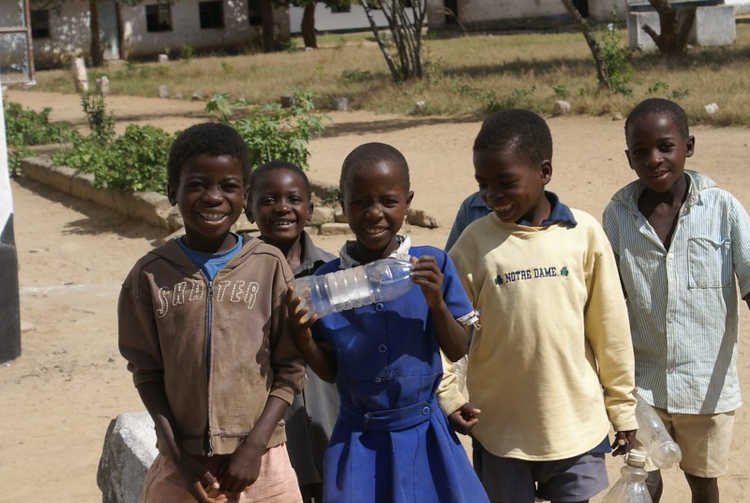
Zimbabwe is facing a silent crisis: thousands of children are being locked out of school, not because classrooms are full or teachers are unavailable, but because they lack a birth certificate.
Development Diaries reports that families without birth certificates often face delays, deferrals or conditional placement at Early Childhood Development (ECD) A and B, the two years that prepare three to six-year-olds for Grade One.
This is despite the fact that current regulations say schools must not refuse admission solely because a child lacks a birth certificate.
Despite Section 81 of the Constitution guaranteeing every child the right to a name and legal identity, many children remain undocumented, shutting them out of early childhood education and setting them up for lifelong disadvantage.
Civil society groups, including Amnesty International, warn that this hidden barrier is entrenching cycles of poverty and marginalisation.
Research shows that children excluded from ECD often enter Grade One unprepared, struggle to keep up, and are more likely to drop out later.
According to a report by 263 Chat, health and education workers noted that some children who miss or start ECD late arrive in Grade One without school-readiness skills, struggle with language and pre-literacy, and are more likely to disengage later.
In short, without birth certificates, many children’s futures are being stolen before they even begin.
The government has expanded mobile civil registration teams since 2023, but the system remains unreliable. Families in remote areas often miss one-off outreach visits.
Single mothers, orphans, and rural households still face impossible demands for documents, such as death certificates or local authority letters, that are often out of reach.
As human rights lawyer Tarisai Mutangi notes, the system punishes the poorest, leaving behind the very children most in need of protection.
The human cost is already clear. Tinashe, at just 17, turned to dangerous informal mining after being shut out of school. Lulumani Maphosa was unable to sit for her final exams because she lacked the required documentation.
Furthermore, teachers describe the frustration of seeing bright children held back by paperwork, while health workers and social workers warn that undocumented children are often invisible in clinics, abuse cases, and child protection systems.
Without legal identity, they are denied not only education but also safety and dignity.
This crisis represents a direct violation of Zimbabwe’s Constitution as well as the country’s obligations under the Convention on the Rights of the Child (CRC) and the African Charter on the Rights and Welfare of the Child (ACRWC), which require governments to ensure birth registration for every child without delay.
Urgent action is needed.
Development Diaries urge citizens to demand that the Ministry of Home Affairs and Cultural Heritage, the Civil Registry, and the Ministry of Primary and Secondary Education should decentralise and simplify registration, integrate registration services into schools and clinics, and train officials to treat families, especially single mothers and vulnerable groups, with dignity and fairness.
Every day that passes keeps more children in the shadows. Zimbabwe cannot build a strong future while denying its youngest citizens the most basic right: to exist on paper, and to learn in a classroom.
Photo source: Book Aid International