





The latest International Rescue Committee (IRC) data on West Africa’s gender-based violence (GBV) crisis is a clear alarm bell that demands immediate attention.
Development Diaries reports that women and girls across West Africa are facing a deepening safety crisis as critical GBV services collapse.
According to data collected by the IRC, more than half of all survivors of GBV have lost access to critical support services following the initial complete suspension of essential funding in Niger, Burkina Faso, Mali, and Nigeria.
With more than half of all survivors suddenly cut off from life-saving support in these countries, the situation can no longer be treated as a routine funding challenge.
These cuts have dismantled essential protections in some of the world’s most vulnerable communities, leaving survivors exposed, isolated, and at heightened risk of further violence.
The suspension of funding did not just pause activities; it dismantled support systems that survivors relied on for safety, healing, and justice.
In conflict-affected and economically strained regions where women and girls already face heightened risks, removing these safeguards widens existing vulnerabilities and exposes them to further harm.
According to the IRC findings, the shutdown of case management services for months created an alarming vacuum. Survivors were left without safe spaces, psychosocial care, emergency medical support, or legal pathways, resources that often determine whether a woman survives violence or suffers long-term trauma.
Even now, as some services resume, the reduced staffing levels and limited operational capacity mean that survivors are being forced to compete for the little support available.
Girls at risk of child marriage and women trapped in violent relationships are slipping through the cracks because systems designed to protect them have been weakened when they are needed the most.
Aid cuts have also intensified pressure on already overstretched community structures. Local organisations, though willing and trained, lack the funding and tools necessary to bridge the widening service gaps.
GBV responders are overwhelmed, dealing with critical cases that arrive too late for timely intervention, particularly in instances of sexual assault, where care within 72 hours is crucial.
This development calls for swift, decisive action. International donors, regional bodies need to urgently restore and increase funding for GBV prevention and response services.
The governments of Niger, Burkina Faso, Mali, and Nigeria must also strengthen national protection systems and remove administrative hurdles that slow down humanitarian delivery.
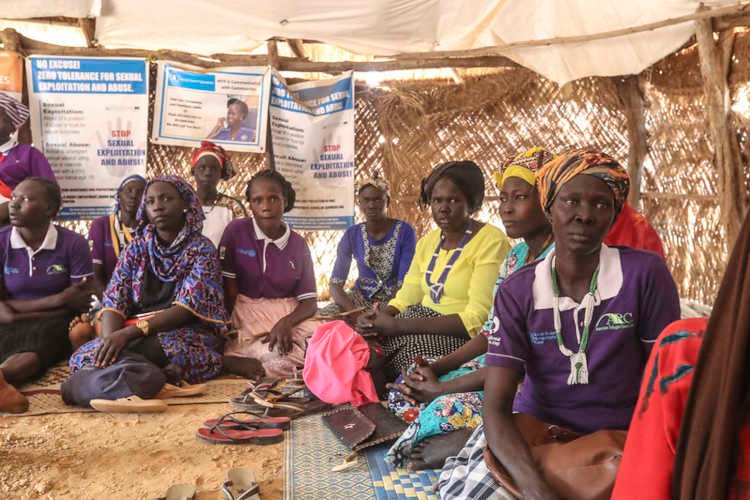
Photo source: UNMISS