






A recent media report revealing that thousands of Igbo Muslims are under threat from hate-driven disinformation campaigns demands immediate and decisive action from the government.
Development Diaries reports that Legit.ng has chronicled the lived reality of Siraj Ugwu and other Igbo Muslims who now walk a perilous tightrope of defending their religious identity amid the clamour of secessionist nationalism wrapped in digital hate.
Sections 38, 39, and 40 of Nigeria’s Constitution guarantee freedom of religion, expression, and peaceful assembly. And this development is a wake-up call for the Nigerian police and other relevant authorities to enforce relevant sections of the Cybercrimes (Prohibition, Prevention, etc.) Act of 2015.
Tweets dripping with genocidal undertones like ‘We don’t treat cancer, we cut them off’ are ideological blueprints for violence.
Section 38(1) states that ‘every person shall be entitled to freedom of thought, conscience and religion, including freedom to change his religion or belief’.
Also, section 39(1) reinforces that ‘every person shall be entitled to freedom of expression, including the freedom to hold opinions and to receive and impart ideas and information without interference’. Yet for Ugwu and many others, these rights are being reduced to paper promises.
Where is the state’s protective arm when these citizens report threats? Where are the proactive interventions by law enforcement, the National Human Rights Commission, or even the National Orientation Agency, whose mandate includes countering dangerous misinformation and promoting national unity?
The Cybercrimes Act of 2015 was enacted for precisely this kind of moment, as it criminalises cyberstalking, defined as sending messages with the intent to cause fear, death, violence or harm via computer systems or networks.
It also prohibits racist and xenophobic offenses, including public dissemination of ideas that advocate, promote or incite hatred, discrimination, or violence against individuals based on religion or ethnicity.
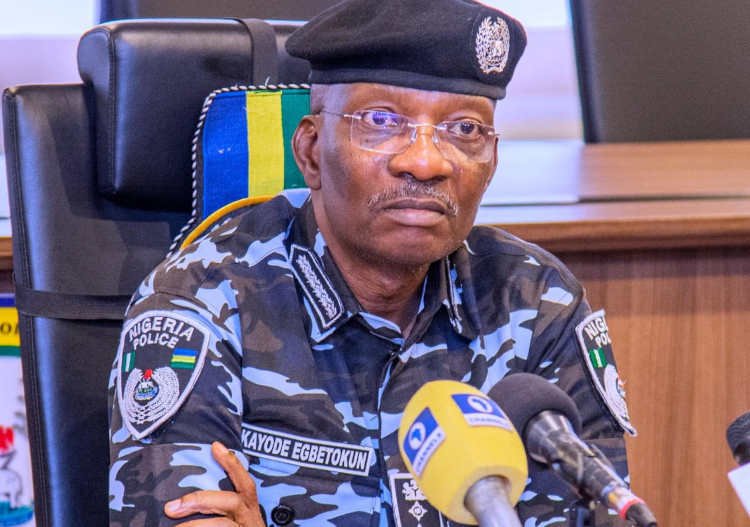
A decisive and coordinated action is required. The Nigeria Police Force needs to launch a dedicated task force on religiously-motivated digital hate, in collaboration with the cybercrimes unit, to investigate and prosecute offenders with public accountability for progress made.
Also, the National Human Rights Commission needs to conduct a public enquiry into religious discrimination and threats in the southeast and offer legal redress and protection programmes to victims of religiously motivated cyberstalking and hate speech.
For its part, the National Orientation Agency must develop a counter-disinformation campaign in the southeast to challenge anti-Muslim narratives and promote unity across religious lines. It should engage traditional leaders, faith-based organisations, and influencers in peacebuilding dialogues that affirm Nigeria’s pluralism.
The southeast’s long-standing grievances must be addressed through dialogue and reform, not by scapegoating fellow citizens who happen to worship differently.