




Nigeria’s tax reform might face obstacles because deep public mistrust, built over years of weak governance and poor service delivery, has made many citizens doubt even well-intentioned fiscal policies.
Development Diaries reports that effective from 01 January, 2026, Nigeria’s tax reform will take effect, and it introduces several key changes, including a new personal income tax structure, a zero tax rate for small businesses, and the replacement of the Federal Inland Revenue Service (FIRS) with the Nigeria Revenue Service (NRS).
While the government, through the Federal Ministry of Finance and the Presidential Committee on Fiscal Policy and Tax Reforms chaired by Taiwo Oyedele, presents the reform as necessary to avert fiscal collapse, there are concerns among citizens that it will worsen hardship.
This fear is not mainly about the policy details but about past experiences where reforms raised revenue without improving lives.
One clear case is the increase in Value Added Tax (VAT) from five percent to 7.5 percent in 2020 under the Finance Act. The policy raised non-oil revenue for the federal government, but it also increased the cost of goods and services at a time when wages remained stagnant and social protection was weak.
For many Nigerians, the higher VAT meant higher prices without corresponding improvements in healthcare, education, transport, or power supply, reinforcing the belief that taxes rise while public services remain poor.
Similarly, reforms such as the Treasury Single Account (TSA) and improved revenue remittances by ministries, departments and agencies increased government cash balances and reduced leakages.
However, these gains did not significantly improve service delivery or infrastructure, as capital projects remained underfunded and contractors were often unpaid.
Another instance is the removal of fuel subsidies, which freed up significant funds theoretically available for public infrastructure and services.
Despite these savings, the funds have not visibly improved schools, hospitals, roads, or power supply, leaving many Nigerians feeling the benefits have not reached the people.
Rebuilding trust must begin with clear, simple communication that explains what is changing, who is protected, and how the reform affects ordinary Nigerians.
Fair and visible enforcement is essential to restoring confidence. The Federal Inland Revenue Service (FIRS) under Zacch Adedeji must show that the reform also targets wealthy individuals, large corporations, and long-standing loopholes, rather than focusing mainly on small businesses and the informal sector.
When Nigerians see politically exposed persons and high-net-worth individuals comply and face consequences for evasion, public confidence will improve.
Digital tax systems must also reduce harassment and discretion, not create new channels for extortion.
Transparency in the use of revenue is another key requirement. President Bola Tinubu’s administration must regularly publish how much revenue is collected and how it is spent, while the National Assembly strengthens oversight to ensure funds translate into visible improvements in infrastructure, healthcare, education, and security.
Independent audits and public reporting will help rebuild the broken link between taxes paid and services delivered, which lies at the heart of the trust deficit.
Trust will also depend on the actions of state and local governments, which deliver most public services. Governors and local authorities must improve internally generated revenue and show accountability at the grassroots level.
Finally, citizens must continue to monitor implementation and demand accountability.
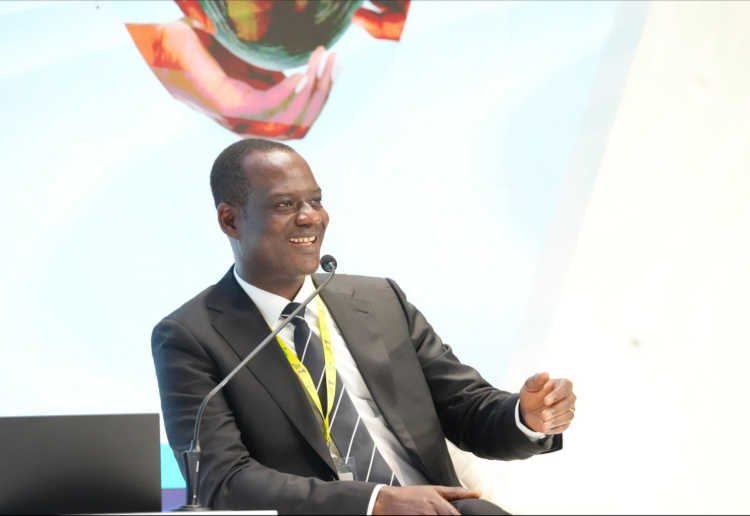
Photo source: Taiwo Oyedele