



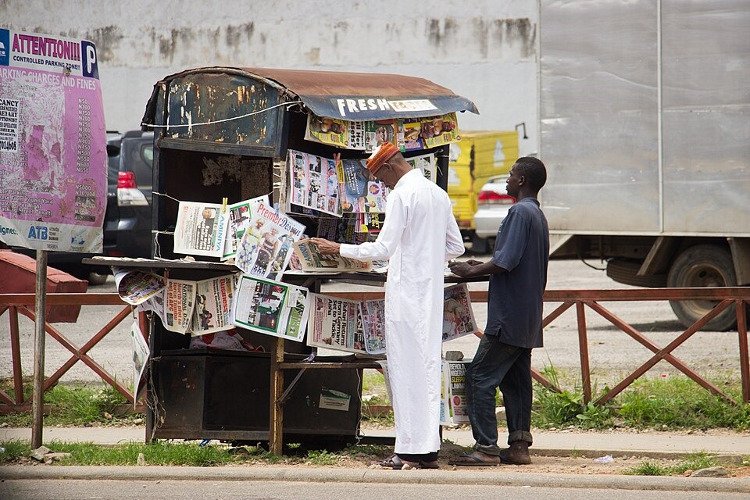
Welcome to Friday’s roundup of Nigerian newspaper headlines, accompanied by our advocacy-focused calls on issues that impact citizens.
1. The Guardian: Anti-Torture Act @ 8: Victims bear scars, endure trauma as law remains on paper
Eight years after passing the Anti-Torture Act, Nigeria still treats it like that family photo album you keep on the shelf for decoration. Citizens continue to share the same story of tortue. Yet every time this happens, authorities respond with their favourite national anthem: ‘We will investigate’.
Our Take: It is unfortunate that we have a law that says ‘no torture’, but a system that says ‘hold my baton’. We demand full enforcement of the Anti-Torture Act, with naming and prosecution of violators as the law demands.
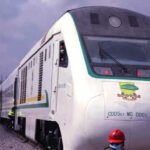
2. Daily Trust: Kaduna–Abuja train breaks down, passengers stranded midway
Once again, the Abuja–Kaduna train has reminded Nigerians that even machinery is tired of this economy. A train left Kaduna confidently, only to stop around Jere as if it suddenly remembered it left the gas on at home.
Staff say it was an electrical fault, but everyday Nigerians know the truth: the train simply ‘offed itself’ for safety. Considering the derailment in August that left 14 passengers injured, perhaps the trains are protesting their working conditions, too.
Our Take: For a route that has seen terror attacks, derailments, breakdowns, and now technical melodrama, one thing is clear: even trains in Nigeria need prayers. The Nigerian Railway Corporation (NRC) must publish a transparent audit of the rail system’s safety, maintenance schedule, and budget usage. For the transport ministry, they should conduct an independent technical assessment before reopening the route fully.
3. Punch: No genocide in northern Nigeria, says African Union chief
The African Union Chair says ‘there is no genocide in northern Nigeria’, countering President Donald Trump, who seems to think that Christians in Nigeria are worshipping in hiding. According to Trump, jihadists are slaughtering Christians in ‘very large numbers’ and he might just send troops to our dear country ‘to save us from ourselves’.
Our Take: Whether it’s banditry, terrorism, or political spin, citizens are tired of being the talking point while nobody talks solutions. The most meaningful response the Nigerian government can offer is to strengthen the country’s security architecture, because debates alone do not save lives. Also, the Ministry of Foreign Affairs must ensure it counters misinformation with reliable, disaggregated data on killings while reassuring citizens of their safety. For citizens, we must demand clarity and transparency, not political storytelling, on the state of insecurity in the north.