


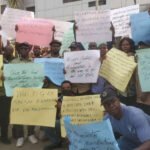




The outcry from victims of the devastating floods in Mokwa, Niger State, once again exposes the deep-rooted inefficiencies and chronic lapses in Nigeria’s disaster response system.
Development Diaries reports that the floods have claimed over 200 lives and left more than 500 people missing, with victims at makeshift camps voicing deep dissatisfaction over the handling of relief efforts.
Despite the scale of the tragedy, reports from makeshift camps reveal a glaring absence of the National Emergency Management Agency (NEMA) and the Niger State Emergency Management Agency (NSEMA).
According to a report by Channels TV, survivors recounted being photographed with food supplies they never received, while health volunteers and community members bear the full burden of providing care and support with no official backing.
This pattern of delayed and disjointed response is not new, as similar failures were documented during the 2022 floods that affected over 2.4 million Nigerians, leaving at least 662 dead, according to the Federal Ministry of Humanitarian Affairs.
This situation demands urgent accountability. It is unacceptable that in a country repeatedly ravaged by seasonal flooding, where the Nigerian Meteorological Agency (NiMet) had already forecast heightened flood risks in 2025, emergency systems remain reactive and underprepared.
The fact that flood victims in Mokwa are denied basic essentials such as food, clean water, shelter, and medical attention not only points to administrative negligence but also violates the right of displaced persons to dignity and humane treatment as guaranteed under both national and international humanitarian standards.
Government authorities, particularly those in charge of disaster preparedness and response, must explain how funds allocated for emergencies are being utilised and why state institutions continue to fail the most vulnerable at their time of greatest need.
Moreover, the absence of a structured camp system and a clear data management framework worsens the suffering of displaced persons.
NSEMA’s ongoing data-capturing exercise, three days after the disaster, suggests a lack of preemptive planning and coordination.
In previous years, a lack of accurate data has led to misallocation of relief materials and underreporting of disaster impacts, hindering both recovery efforts and donor response.
As Nigeria grapples with increasing climate-induced disasters, Development Diaries calls on NEMA and state emergency agencies to work towards strengthening emergency management systems, enforcing accountability for diverted relief materials, and establishing permanent, well-equipped shelters in flood-prone areas.
Photo source: Channels TV