






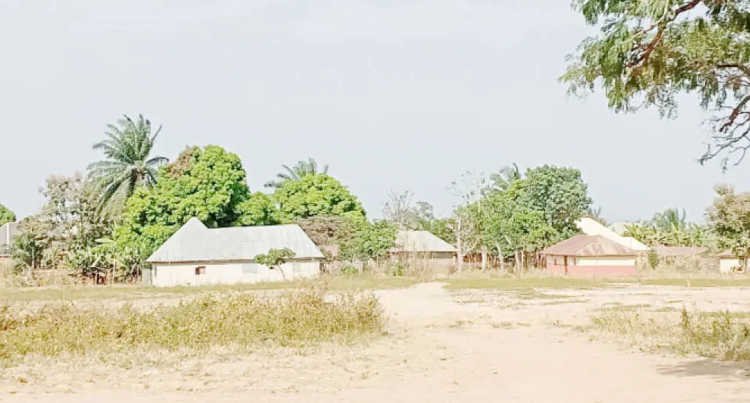
The situation in Gidan‑Bijimi community in Kawu Ward in Bwari Area Council of the Federal Capital Territory (FCT) highlights a deep crisis in rural healthcare access that many Nigerians face, especially pregnant women.
Development Diaries reports that residents of Gidan-Bijimi have expressed concern over the lack of healthcare facilities in their area, according to a report by Daily Trust.
According to the report, the residents lamented that patients, especially pregnant women, travel on motorcycles for over four kilometres (km) to neighbouring Kawu village to access medical care.
Pregnant women now travel over four km on bad roads to reach basic medical care because their community clinic has been non‑functional for years.
According to statistics from the 2024 Nigeria Demographics and Health Survey Summary Report, only about 63 percent of women nationwide receive antenatal care from a skilled provider, and more than half of births occur at home, with rates highest in rural northern areas like Sokoto State, where up to 88–91 percent of women deliver outside facilities due to distance and lack of services.
A key issue here is the lack of functioning primary healthcare infrastructure. Many clinics remain abandoned or understaffed, forcing residents to make risky journeys for care that should be available locally.
Research shows that rural women consistently have lower utilisation of maternal health services compared to urban counterparts, largely due to long distances, poor roads, and shortages of trained personnel.
In Gidan‑Bijimi, the only clinic closed because of fear of bandit attacks, showing how insecurity makes it even harder for people to access healthcare and leaves vulnerable communities feeling neglected and distrustful of public services.
The impact of such gaps is serious. Nigeria has one of the highest maternal mortality rates in the world, with rural women particularly at risk due to limited access to skilled care and emergency services.
This is why immediate action is needed.
The Mandate Secretary for the Federal Capital Territory Health Services and Environment Secretariat (FCT-HSES), Dr Adedolapo A. Fasawe, the Bwari Area Council Chairman, John Shekwogaza, and the Federal Ministry of Health must fast‑track the refurbishment and full staffing of the Gidan‑Bijimi clinic with security‑supported personnel.
The FCT Administration and security agencies should also work together to address the banditry that drives health workers away.
Citizens should demand regular updates on timelines and accountability for the promised 2026 budget provisions and ensure boreholes and road improvements are prioritised so that no woman risks her life for basic care.
Photo source: Daily Trust