






The killings in Kwara, Katsina and Benue states are another loud evidence of state failure and the fact that Nigeria’s early-warning and rapid-response system is badly broken.
Development Diaries reports that over 130 persons have been killed in attacks by gunmen at communities in Kwara, Katsina and Benue states within the last 48 hours, according to a Daily Trust report.
In Kwara State, residents said at least 100 people were killed by bandits who struck at Woro community in Kaiama local government area on Tuesday, and seventy-five bodies were said to have been buried.
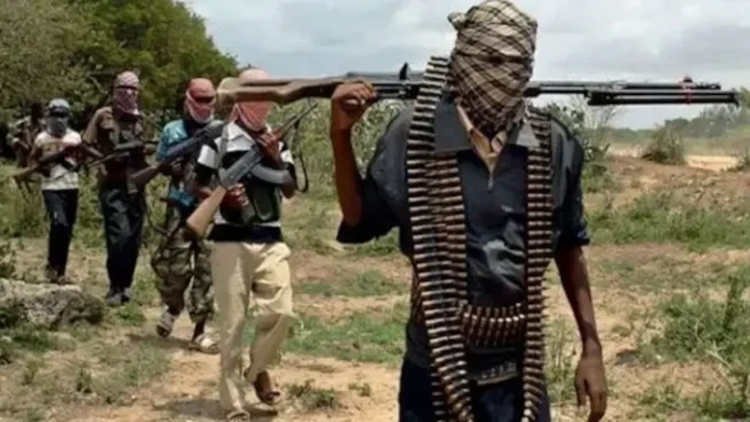
Gunmen reportedly operated from evening till dawn, burning homes, killing residents, abducting women and children, and even planting explosives on the road, without meaningful resistance for hours.
If attackers can announce themselves with gunshots for nine straight hours and still leave at their own pace, the problem is clearly response failure.
What makes this more painful is that this was not a surprise attack in the true sense, because residents said soldiers were once stationed there, but they withdrew.
People said they had been expecting ‘something like this’, as there have been prior attacks in nearby communities. There were even claims that the group had sent warnings before.
So the question is, if the danger was known, why was the protection not present? Intelligence that does not translate into action is like a fire alarm that only makes noise but never calls the fire service.
The pattern is disturbingly familiar across many parts of Nigeria, where communities are attacked for hours or days, and we hear survivors say, ‘We kept calling for help’.
Officials arrive the next morning to ‘assess the situation’, statements are made, condolences are given, committees may be formed, but the dead are already buried.
In Woro, people were counting bodies while security agencies were still ‘gathering details’. It almost feels like there is a silent understanding that help will come after the worst has happened. A kind of tragic timetable where bandits work night shift and authorities resume by morning.
This attack is just happening after the 18 November, 2025 incident where armed bandits attacked the Christ Apostolic Church in Eruku, Ekiti local government area of Kwara State during an evening service, killing at least two people (including a vigilante member) and abducting 38 worshippers.
Following that church attack, a fresh attack occurred on 18-19 November in the nearby town of Isapa, where an additional 17 people were reportedly abducted.
This is why the conversation must move from sympathy to accountability. Why are there no publicly known response-time standards for distress calls from rural communities?
Why can a village be overrun for nearly 12 hours before reinforcements arrive? Who is responsible when intelligence warnings do not lead to pre-emptive deployment?
The Governor of Kwara State, AbdulRahman AbdulRazaq, the Minister of Defence, General Christopher Gwabin Musa, the Chief of Army Staff, Major General Waidi Shaibu, the Inspector-General of Police, Kayode Egbetokun, and the National Security Advisor, Nuhu Ribadu, all have roles that go beyond visiting scenes and issuing statements.
Preventable loss of life must carry consequences, not just condolences.
As citizens, we must begin to demand specific things, for example, a legally defined maximum response time for security distress calls, permanent security presence in high-risk corridors like the Kainji axis, public reporting of intelligence alerts and actions taken, and legislative oversight from the National Assembly on response failures.
Communities should not have to predict their own massacre before the state acts. If Nigerians do not demand systems that respond before people die, we will keep reading reports where the only thing that arrives on time is the burial.
Photo source: BBC/Getty Images