






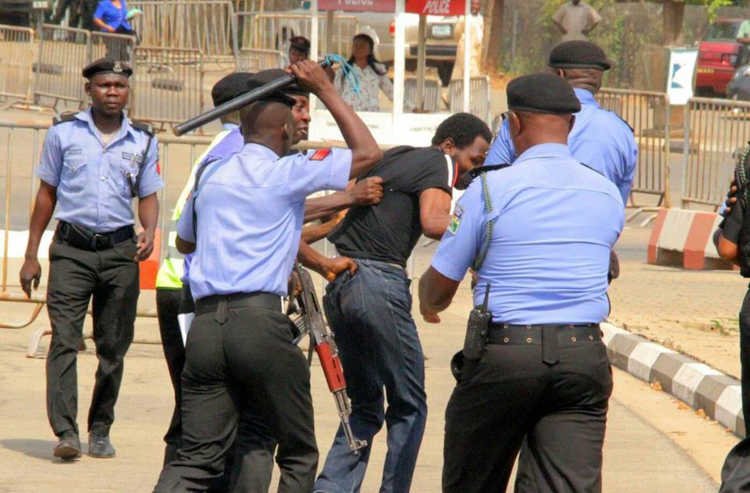
Human Rights Day 2025 comes with the theme ‘Our Everyday Essentials’, yet many Nigerians still struggle to enjoy even the most basic rights.
Development Diaries reports that in 2025, the National Human Rights Commission (NHRC) recorded alarming numbers in relation to human rights violations.
In September alone, it received 371,622 complaints of human rights violations, including unlawful arrests, torture, denial of justice, sexual and gender-based violence, and other abuses.
In April 2025, NHRC’s dashboard reported 570 killings, 278 kidnappings, along with 1,121 cases of child abandonment across the country.
Violence by armed groups and bandits continues to erode the rights to life and security. In the two years since May 2023, a report by Amnesty International estimates that at least 10,217 people have been killed in gunmen attacks across several states, including Benue, Plateau, Zamfara, and others.
Reports continue to show cases of torture and brutality by security operatives.
Additionally, communities affected by banditry, kidnapping, and terrorism are left without safety, which is one of the most fundamental rights any government should protect, in line with the 1999 Constitution as amended.
Children also face abuse in homes, schools, and streets, while many women continue to suffer violence with little support or justice. These problems reveal how far the country is from a system where human rights are truly part of daily life.
Beyond killings and kidnappings, there is ongoing mob violence, unlawful detentions, torture, gender-based violence, and displacement, showing that many Nigerians cannot count on basic protections any longer.
These violations undermine fundamental human rights like security, dignity, liberty, and access to justice.
Experts say one of the major reasons abuses continue is the weak enforcement of laws. Nigeria has many policies, acts, and treaties that look good on paper but do not work well in practice.
Security agencies often escape punishment for wrongdoing, which encourages more violations. Poverty also keeps many citizens silent because they fear losing what little they have.
In the same way, people rarely report abuses because they do not know their rights or do not trust the system to protect them.
Institutions that should protect these rights often struggle. The NHRC, the Ministry of Justice, state governments, and security agency leaders, including the Inspector-General of Police and heads of the military, are expected to uphold the rights of citizens.
But delays in investigations, poor funding, political interference, and weak accountability systems mean many cases never reach the point of justice. When leaders fail to act, victims lose hope and violations continue.
To reflect the theme ‘Our Everyday Essentials’, Nigeria needs leaders who treat human rights the same way they treat essential services like water and electricity, non-negotiable and part of daily governance.
The NHRC, the Attorney-General of the Federation, Lateef Fagbemi, state governors, the Inspector-General of Police (IGP), Kayode Egbetokun and heads of security agencies must take clear steps to stop abuses, punish offenders, and educate citizens.
Citizens also need to play their part by demanding justice and reporting violations. If human rights are truly everyday essentials, then government authorities must stop acting like they are luxury items reserved for special occasions.
Photo source: ICIR