






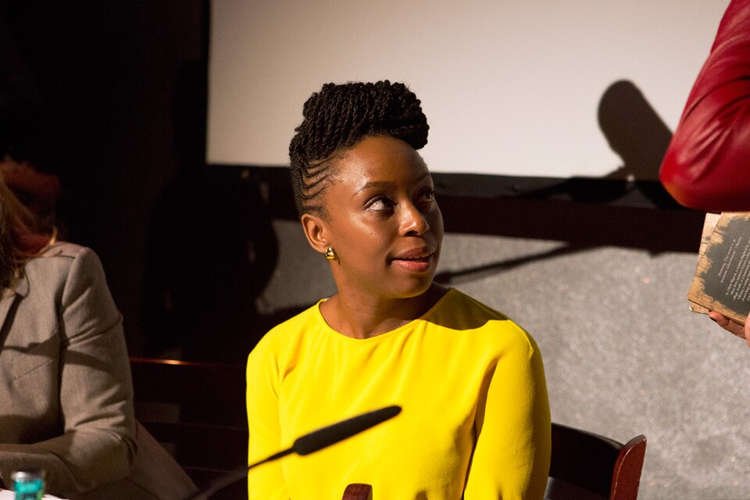
The death of 21-month-old Nkanu Nnamdi, son of novelist Chimamanda Ngozi Adichie, is more than a family tragedy, as it exposes a deeper national wound about patient safety, medical accountability, and how easily lives can be lost in Nigeria’s health system without answers.
Development Diaries reports that the family of Adichie has accused Euracare Hospital in Lagos of negligence over the death of Nkanu.
According to the family’s account, Nkanu was denied oxygen, left unattended, transported inappropriately, and given excessive sedation that allegedly led to cardiac arrest.
However, Euracare Hospital has denied wrongdoing, saying the child arrived critically ill and that care followed international standards. Meanwhile, the government of Lagos State has opened an investigation and promised transparency.
Let us be honest; this is not an isolated story. Across Nigeria, children die in hospitals without oxygen. Women hemorrhage without blood, with families told, ‘we tried our best’, with no records, no independent review, and no clear answers.
The World Health Organisation has repeatedly warned that preventable medical errors are a major cause of death in low- and middle-income countries, yet in Nigeria, these losses are rarely counted, let alone investigated.
Most families lack the money, influence, or legal muscle to demand accountability as they grieve, borrow for burials, and move on with questions that will never be answered. That is why this case matters because it shines a light on a system where silence has become normal and where too many deaths pass without consequence.
If a family this visible can allege negligence, what happens to the woman in Iyana Ipaja, the farmer in Nsukka, and the child in Birnin Kebbi?
Healthcare is built on trust, as patients surrender their bodies and their children to systems they do not control. So, when that trust is broken and no one is held accountable, the entire system becomes unsafe.
Yes, the Lagos State government has promised a ‘thorough, independent and transparent’ investigation. That promise must not end in a press release. Citizens should be asking hard, specific questions.
Who exactly is conducting this investigation, and are they independent of the hospital involved? What timelines have been set, and when will findings be made public? Will the full clinical records be preserved and reviewed by external experts? If negligence is established, what penalties will follow, and who enforces them? Will the outcome be published for Nigerians to see, or quietly filed away?
Beyond this case, Nigerians must begin to demand structural change. Why are hospitals not legally required to report serious adverse events and deaths linked to procedural errors? Why do regulatory councils rarely publish disciplinary actions against erring practitioners? Why do families have no simple, protected pathway to report medical harm? Why do investigations only begin after public outrage?
Medical negligence should be treated as a public safety crisis, not a private tragedy. Therefore, the federal and state ministries of health must establish independent patient safety and medical error review boards with real sanctioning power. Not internal committees that protect their own, but bodies that answer to the public.
Hospitals, especially public ones, must be compelled by law to document and disclose critical incidents, with practitioners under investigation suspended from high-risk duties until cleared. Additionally, training institutions must reinforce strict protocol adherence, particularly in anesthesia and critical care, where errors are often fatal.
And above all, patients and families must be given accessible channels to report harm without fear of retaliation, intimidation, or financial ruin. This is not because of who his mother is, but because every Nigerian child deserves to enter a hospital and leave alive when life is possible.
A note to our readers
If you or someone you love has experienced medical negligence in Nigeria, in a public or private hospital, and the case was ignored, covered up, or dismissed, Development Diaries wants to hear from you. Get in touch with us using the WhatsApp button below.
We are documenting these stories to expose patterns, demand accountability, and push for systemic reform.