






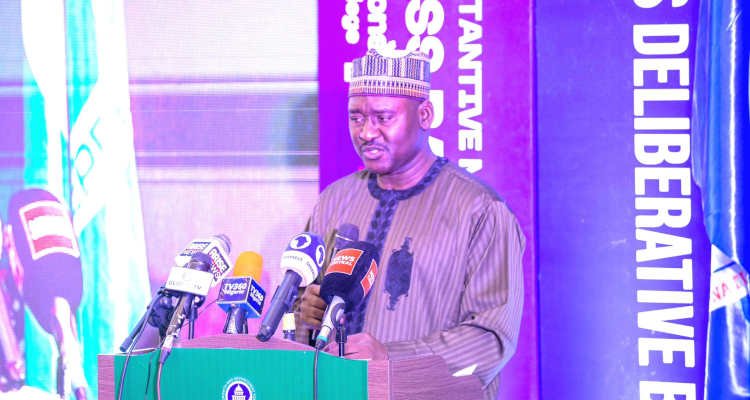
The Civil Society Legislative Advocacy Centre (CISLAC) and the Nigeria Extractive Industries Transparency Initiative (NEITI) have called on civil society organisations (CSOs) to step up efforts in driving reforms, transparency, and accountability in Nigeria’s extractive sector.
Development Diaries reports that during a courtesy visit to CISLAC headquarters in Abuja, CISLAC’s Executive Director and Head of Transparency International Nigeria, Auwal Rafsanjani, reaffirmed CISLAC’s commitment to reforms in the extractive industries.
He noted that CSOs have always been at the forefront of the struggle for transparency.
‘CISLAC was among the groups that championed the establishment of EITI in Nigeria, leading to the NEITI Act in 2007 and creating structures for legislative oversight.
Today, as Nigeria faces declining oil revenues, governance risks in the solid minerals sector, and the global energy transition, civil society must rise to the challenge of ensuring that transparency reports translate into real benefits for citizens, especially in host communities’, Rafsanjani said.
NEITI’s Executive Secretary, Ogbonnaya Orji, stressed that the time had come for civil society to move beyond routine advocacy.
‘Across the world, civil society organisations have proven indispensable in shaping governance outcomes. Within Within the Extractive Industries Transparency Initiative (EITI), civil society has remained the conscience of the process, demanding disclosures, safeguarding civic space, and ensuring reforms deliver meaningful impacts for citizens’, Orji said.
He outlined a new civil society agenda focused on energy transition accountability, stronger oversight of beneficial ownership disclosures, fiscal justice advocacy, and curbing illicit financial flows.
According to him, ‘the question before us is not whether civil society matters, but how civil society can redefine and strengthen its role to remain impactful in the years ahead’.
Both organisations emphasised that civil society must go beyond amplifying reports to producing knowledge-driven, solution-oriented interventions that influence policy and strengthen governance.
Orji even challenged CISLAC to institutionalise civic knowledge by moving from regular bulletins to publishing peer-reviewed journals that can shape global debates on transparency and accountability.
As Nigeria navigates the pressures of energy transition, fiscal strain, and governance risks, CISLAC and NEITI insist that civil society cannot afford to stay on the sidelines, it must lead with evidence, advocate with courage, and ensure that extractive resources are managed for the good of all Nigerians.
Photo source: CISLAC Nigeria