






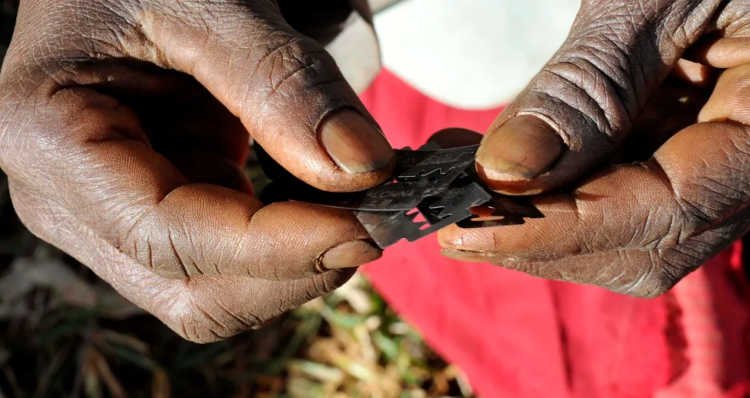
Female Genital Mutilation (FGM) remains a significant concern in Nigeria, which accounts for the third highest number of women and girls who have undergone FGM worldwide.
Development Diaries reports that according to the United Nations Children’s Fund (UNICEF), an estimated 19.9 million Nigerian women and girls have been subjected to this harmful practice.
Notably, data from the Nigeria Demographic and Health Survey (NDHS) shows that while the national prevalence of FGM among women aged 15-49 decreased from 25 percent in 2013 to 20 percent in 2018, there has been a concerning rise among younger girls aged 0-14, with rates increasing from 16.9 percent to 19.2 percent during the same period.
The persistence of FGM in Nigeria is deeply rooted in cultural, religious, and social factors. Certain communities uphold the practice as a rite of passage or a prerequisite for marriage, often maintained by traditional beliefs and societal pressures.
Furthermore, the health implications of FGM are severe and can compromise the well-being of affected individuals.
In response to this pressing issue, the International Day of Zero Tolerance for Female Genital Mutilation, observed annually on 06 February, serves as a global platform to amplify efforts toward the elimination of FGM.
This day demonstrates the urgent need for a multi-sectoral approach that includes legal frameworks, community involvement, and education to protect women and girls from this harmful practice.
Nigeria has laws prohibiting FGM, such as the Violence Against Persons (Prohibition) Act (VAPP), but enforcement remains weak in many states.
It is crucial to strengthen implementation mechanisms and address the gaps in law enforcement in order to make real progress.
To effectively combat FGM in Nigeria, Development Diaries calls on the Violence Against Persons Prohibition (VAPP) Department of the National Agency for the Prohibition of Trafficking in Persons (NAPTIP) and the National Human Rights Commission (NHRC) to intensify efforts to prosecute offenders and enforce anti-FGM laws.
We also call on the the federal and state ministries of women affairs to expand awareness programmes, particularly in rural areas where FGM is most prevalent.
Also, traditional rulers and religious leaders must be engaged to challenge deep-seated beliefs that encourage the practice.
Furthermore, the Federal Ministry of Health must strengthen its role in providing medical and psychological support to survivors.
Photo source: The Voice