




With voter confidence hanging by a thread after last weekend’s polls, the Independent National Electoral Commission (INEC) now has its work cut out, and fresh allegations against Minister Nyesom Wike only deepen the trust deficit Nigerians are already battling with.
Development Diaries reports that the Human Rights Writers Association of Nigeria (HURIWA) has condemned the ‘anti-democratic antics’ of the Federal Capital Territory (FCT) minister.
If residents of the FCT ever needed a reminder that governance can sometimes feel like a reality TV show, last weekend’s council elections delivered it. And according to HURIWA, the person stealing the show for all the wrong reasons is none other than the minister.
HURIWA is accusing the minister of running the elections like they were a private errand, claiming he employed ‘illegal, unconstitutional, draconian and anti-democratic measures’ to tilt the exercise in favour of the ruling party.
In simple language, they are saying the minister treated the FCT election as if he were sharing small chops at an owambe, announcing ‘vote APC and leave the rest to me’, and nobody in power blinked.
That brings us to President Bola Tinubu, who watched these allegations swirl around his minister like Abuja dust in dry season and simply adjusted his agbada, unfazed.
INEC, led by Professor Joash Amupitan, is also catching heat from civil society actors who insist the commission behaved like a guest at a party that saw something suspicious, took a long sip of their drink, and pretended it was none of their business.
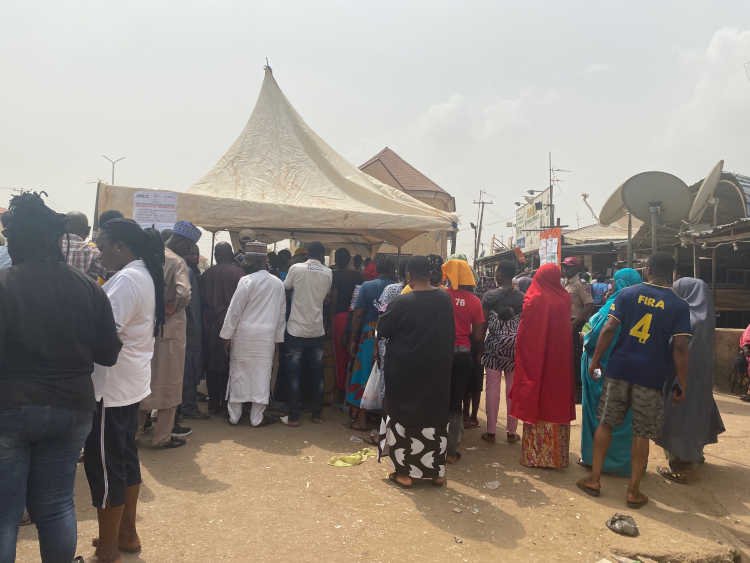
Yes, the elections were peaceful, but they were also plagued by political interference, shoddy logistics, and voter turnout so low you would think people were boycotting a bad concert, with only ten people voting in some polling units.
At that point, it stopped being an election and became a family meeting.
And then there is the issue of persons with disabilities, with observers reporting that many polling units in Kwali and Abaji were practically obstacle courses covering sand, steps, stones, no ramps, no assistive tools, not even magnifying glasses or Braille posters in more than half of the centres observed.
At the heart of this fiasco is a failing system designed to protect voters. The electoral process is supposed to guarantee citizens’ constitutional rights to participate in governance.
Instead, it keeps reminding Nigerians that political actors can bend rules, institutions can look away, and duty bearers can pretend democracy runs on vibes and press releases.
Why is the system failing?
This is so because accountability is optional, political loyalty is a currency, and election management bodies continue to underestimate how fragile public trust is.
And when citizens lose confidence in elections, the state is failing in its human rights obligation, including the duty to guarantee equal access to political participation for women, young people, and persons living with disabilities.
If voter apathy continues to rise while allegations of interference deepen, the legitimacy of future elections, especially the 2027 polls, will face serious strain.
Therefore, Nigerians must stop assuming elections are a spectator sport, as this is the time to demand transparency from INEC, insist on independence from political pressure, challenge unlawful conduct, and refuse to let apathy become the new normal.
Communities must push for accessible polling units, especially for women, girls, young people, and PWDs who already face multiple layers of exclusion.
As for INEC, they must urgently conduct an audit of last weekend’s polling operations, address accessibility failures, and investigate any credible allegations of interference.
For now, President Tinubu is congratulating winners and calling the elections a fresh mandate for grassroots governance, but congratulating winners is not the same as protecting democracy.