






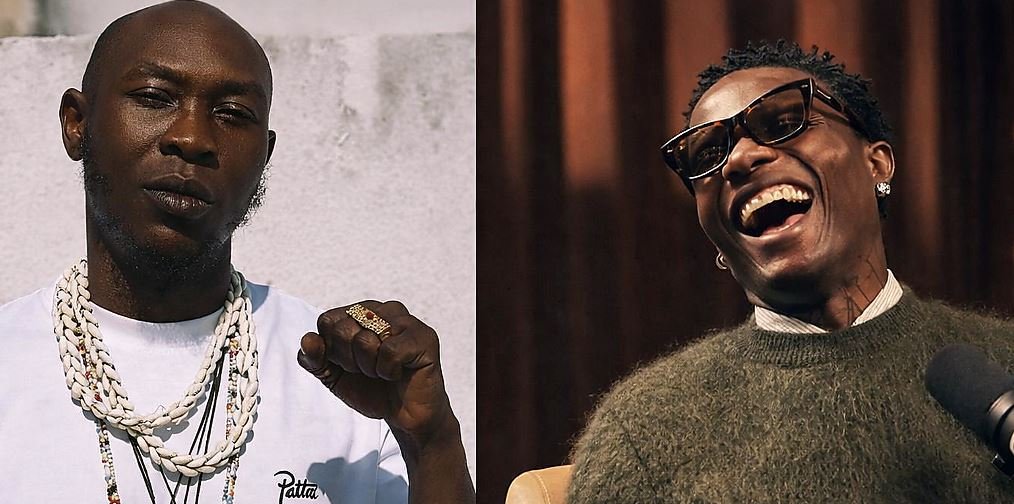
The Seun Kuti–Wizkid row, which began as a personal flare-up over reputation, has ended up doing what Nigerian social media streets love most, and that is turning a ‘family’ quarrel into a national referendum on culture, memory and money.
Development Diaries reports that social media has been agog after Wizkid claimed in a post that he was bigger than the legendary Afrobeat icon, and Seun’s father, Fela Anikulapo-Kuti, following Seun’s criticism of Wizkid’s fan base, popularly known as Wizkid FC, which had described the singer as a ‘modern-day Fela’.
But beyond the memes and quote cards, the clash has forced a deeper question we keep dodging: do we treat culture as breaking news, or as heritage? Do we reduce legacies to punchlines or protect them as public goods?
Read the moment as a symptom, not a spectacle. Two personalities collided, with pride and emotion doing the early talking.
That matters because it warns us not to mythologise individuals. This was not ‘the end of Afrobeat’ or ‘the death of respect’. It was a pressure test, and under pressure, our cultural plumbing burst.
The Seun–Wizkid spat did not invent those cracks. It simply pointed a ring light at them. And let’s be honest, social media poured petrol on it because platforms are amusement parks designed to reward heat, not history.
Algorithms love outrage and speed, but Fela’s political project needs context and time. TikTok wants a caption and a beat drop. So nuance dies, while soundbites survive, with artists ending up fighting on the terms of the platform, not the terms of history.
That is not a moral failure but an incentive problem. So the real dispute beneath the insults is about custody. Who benefits from legacy music? Who controls Fela’s catalogue? Who licences his image for concerts, films and merchandise? Where do the proceeds go?
These questions usually live in the shadows, but the spat dragged them into daylight, and daylight without structure becomes glare. We need systems that trace value back to the people and places that built the music.
Younger artists operate in global markets, making strategic choices quite understandable, with some funding schools, while others chase charts. But the problem is not modernity. Let’s consider the absence of guardrails.
We need incentives for today’s stars to be stewards, without pretending stewardship must look like 1977. But heritage will not protect itself; it needs institutions, not vibes.
What the fight exposed are weak transparency, fragile archives, no clear legal vehicles for heirs, and festivals that prioritise brand over fair payment. Fixing that requires sequencing.
In the next six months, culture ministries or civil society coalitions can publish a baseline audit of major Fela-branded revenues over the past decade. This can begin with festivals, documentaries and big licences because sunlight is policy’s cheapest tool.
Festivals and labels can sign a one-year pledge to disclose payment terms for legacy works and include a minimal community investment clause.
In the next year, launch an Intergenerational Compact to include five senior artists, five modern stars, and two festivals. This should be voluntary, and its first output should be a shared fund seeded by a tiny slice of collaboration revenue. The goal is proof of concept.
At the same time, fund rapid digitisation units to rescue master tapes and oral histories before humidity and neglect finish the job.
Longer term, design a Cultural Heirs Trust, which should be a legal vehicle that guarantees transparent royalty flows to heirs and community projects.
Then open formal talks with platforms on provenance tagging and archival promotion. If a clip goes viral, let it carry context to ensure that history does not vanish at the swipe of a thumb.
And come to think of it, when legacy economies leak, women, grassroots musicians, archivists and small studios pay the price. So equity must be built in disaggregated reporting, community clauses in licences, training grants for local archivists and female producers.
As citizens, we can demand audits and share archival clips with context, not mockery. Urge artists you follow to endorse pilot compacts, refuse harassment, and insist on facts.
Institutions must move, too. Culture ministries should commission audits and seed digitisation. So courts and IP agencies must fast-track legacy disputes, while platforms must fund verified archival curation, with civil society publishing scorecards on who benefits.
This fight is an invitation asking whether culture will be a disposable headline or an enduring public resource. And if we choose the latter, we must treat heritage as infrastructure, which needs rules, money, guardians and trust.
Seun and Wizkid may never agree. That is fine. But their argument can still become the spark that forces a real conversation. If we let attention evaporate, the next viral quarrel will expose the same fractures. If we act, we can turn spectacle into stewardship.
That would be a legacy worthy of the music we claim to love.

