


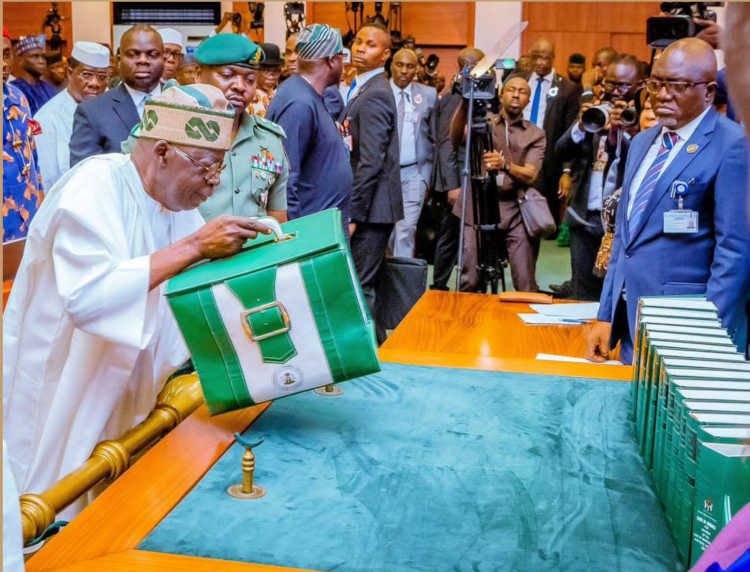
Nigeria’s 2026 budget proposal paints a worrying picture at a time when many households are struggling to survive.
Development Diaries reports that according to an analysis by The Guardian, the 2026 budget, instead of reading like a rescue plan for a strained economy, looks like a comfort plan for those in power.
Huge sums are set aside for luxury vehicles, office renovations, maintenance and loosely defined ‘miscellaneous’ expenses, while food prices rise, hospitals lack basic supplies and schools remain underfunded.
Billions of naira have been allocated for office renovations, maintenance and loosely defined ‘miscellaneous’ expenses, while food prices rise, hospitals lack basic supplies and schools remain underfunded.
One of the biggest red flags in the budget is the growing use of ‘miscellaneous’ spending. Billions of naira are lumped into vague categories across ministries, departments and agencies (MDAs), including the State House, the military and anti-corruption agencies.
While some security spending may need confidentiality, this excuse cannot apply everywhere.
Vehicle procurement and official comfort have also gone out of control. Spending on presidential vehicles has more than doubled, even as the government tells Nigerians to endure hardship.
Details show that N11.25 billion has been budgeted for presidential vehicle procurement, raising concern about the priority of the government at a time when its reforms have made three square meals per day a luxury for many households.
This contradiction is hard to defend. Citizens must push for a clear cap on vehicle purchases and maintenance across MDAs. Leadership should not mean endless convoys and upgrades while public transport collapses and fuel prices soar.
Furthermore, the repeated billions voted for State House maintenance and repairs raise serious questions. Year after year, large sums are approved for the same buildings and facilities, with no visible reduction in cost.
There is also clear double spending around digitalisation. Government agencies claim to have gone paperless under the 1Gov Enterprise Content Management System (ECMS), a digital transformation system which was designed to reduce the revenue spent on stationery as well as speed up workflow in MDAs.
Yet, stationery budgets keep rising sharply. This makes no sense. Citizens should demand zero tolerance for inflated stationery votes and insist on yearly reductions tied to digital rollout. Paying for expensive digital systems and still budgeting heavily for paper is not reform; it is fiscal deception.
Citizens must demand that luxury spending is frozen until clear progress is made on food security, healthcare, education and inflation relief. Government cannot keep polishing its offices while citizens are barely coping.
Citizens must insist that every miscellaneous naira is clearly explained. Any item that cannot be justified in plain language should be removed by the National Assembly. Public money should not disappear into budget fog.
Citizens must demand an independent audit of State House spending from 2024–2026 to find out whether these are inflated contracts or a sign of weak accountability. Repairs should not become a permanent budget line with no end in sight.
Finally, citizens must demand a redirection of wasteful spending to people-centred priorities like basic education, healthcare, food security and social protection.
MDAs should be stopped from funding projects outside their mandates, especially those that look like political patronage.
The National Assembly must be pressured to defend the public interest and openly explain any allocation it approves.
Nigerians should also push for a strong cost-of-governance law and more citizen-friendly budget breakdowns. Budgets show what a government truly values, and citizens have a right to insist that their lives matter more than elite comfort.