





The recent floods in southern Africa underscore a climate-driven disaster made deadlier by years of weak planning, fragile infrastructure, and policy choices that left vulnerable communities exposed.
Development Diaries reports that weeks of unprecedented rain devastated communities across South Africa, Mozambique and Zimbabwe, leaving over 100 dead and hundreds of thousands displaced.
In Limpopo province alone, South African President Cyril Ramaphosa toured towns where ’36 houses… just were wiped away from the face of the earth’.
Mozambique’s authorities report 103 flood deaths, including casualties from a linked cholera outbreak after water supplies were contaminated.
More than 200,000 people in Mozambique have been affected, and tens of thousands of hectares of farmlan, which are enough to threaten food supplies, were submerged.
In Zimbabwe, official figures cite at least 70 killed and more than 1,000 homes destroyed, with roads, bridges and schools collapsing under the deluge.
Where did the systems fail?
First, climate adaptation planning was woefully inadequate, with early-warning forecasts signaling La Niña conditions and heavy rains for the region, but outreach and infrastructure fell short.
Alert systems did not reach many informal settlements and farming areas, leaving residents blind to the danger. As Al Jazeera observes, southern Africa’s ‘fragile infrastructure’ and reactive planning exposed its vulnerability to extreme weather.
Evacuation routes were non-existent in some villages, storm drains in cities were overwhelmed, and relief teams scrambled only after rivers had burst. In effect, authorities treated floods as emergencies to respond to, rather than crises to anticipate and prepare for.
Second, it is ordinary people who paid the heaviest price, especially the poor and marginalised. The heaviest losses were in rural and peri-urban areas where houses are flimsy and water systems are weak.
Entire villages in South Africa were wiped out, and in Mozambique the cholera outbreak in central provinces shows how the disaster compounded existing health and sanitation failures. Women, children and informal settlement dwellers were trapped in low-lying homes without evacuation plans.
Small-scale farmers lost crops critical for their food and income, as over 70,000 hectares of fields were flooded in Mozambique, worsening already acute hunger. In short, communities with the least resources and greatest exposure bore the brunt.
Third, the crisis highlights the finance gap, with rich countries and global funds having promised climate adaptation support, but African communities see little of it.
A recent analysis found that even after a 48 percent rise in overall climate finance, Africa needs roughly four times its current flows to meet its adaptation plans.
In national budgets, money still tends to favour flood relief instead of flood prevention. Local adaptation projects, such as drought-resistant crops or community rainwater harvesting, remain underfunded.
Finally, we must frame climate disasters as a rights issue, as the right to life, health, housing, food and water is protected in most African constitutions and regional treaties.
By failing to prepare, governments are violating these rights. For example, Zimbabwe’s 2013 constitution explicitly guarantees the ‘right to water’; Mozambique and South Africa similarly protect environmental and health rights in law.
So, when floodwaters from poor planning cause deaths, disease and homelessness, they trample on those guarantees. As one human rights report noted from South Africa, neglecting basic services like sanitation and water, often cited in climate impacts, amounts to a breach of the state’s duty to protect citizens.
Among the worst hit are women and children, who often live in the weakest housing and depend on local wells; informal settlement residents with no flood insurance or official support; rural smallholder farmers who cannot easily recover their losses; and persons with disabilities and the elderly who had no mobility or social safety net in the chaos. In each case, climate disaster deepens existing inequalities.
You, as a citizen, can and should push back now. Track adaptation budgets by monitoring how much governments allocate to local climate resilience, like flood defenses, irrigation, and weather services, versus emergency relief. You can demand line-item transparency in finance bills.
Also demand community preparedness plans by working with local leaders to create evacuation maps, community early-warning systems and shelter strategies.
For their part, governments and institutions must change course by redirecting climate funds to projects chosen by affected communities, not just big urban infrastructure.
The government should also strengthen early warning systems through expanding weather stations and SMS alert networks into rural and informal areas and invest in real-time monitoring of rivers and dams.
Climate-fueled floods are predictable crises of governance. Southern African states had sufficient warning of record rains; their failure to act was a human choice with deadly consequences.
Holding leaders accountable, from local councils to national budgets, is the first step to preventing the next catastrophe.
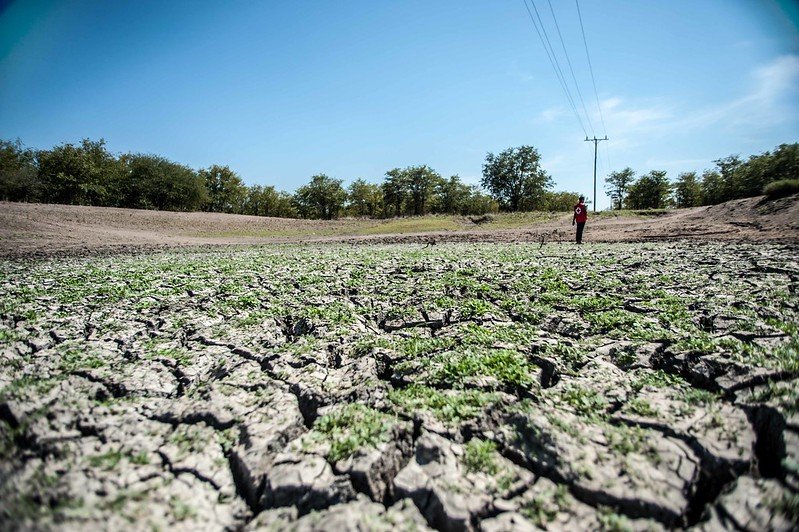
Photo source: International Federation of Red Cross

