





The World Food Programme (WFP) says it reached 540,000 people in Sierra Leone with life-saving and resilience-building assistance in 2021.
In a recent report on its activities in the West African country, WFP said it helped vulnerable people meet their basic food and nutritional needs amidst rising levels of hunger, partly due to the economic fallout from Covid-19.
According to WFP, it supported smallholder farmers in six districts, providing them with cash or in-kind food to build irrigation schemes in inland valley swamps to enable food production throughout the year.
It is understood that through WFP support, the farmers used climate-sensitive methods that preserved the environment and Sierra Leone’s rich ecosystem.
‘Our assistance did not only help people have access to more nutritious food and more frequent meals’, WFP’s Country Director in Sierra Leone, Steve Nsubuga, said in a statement.
‘It also prevented many from engaging in harmful means of coping with hunger, such as selling off their assets to buy food, which would make them even more vulnerable in the face of future shocks’.
According to the UN entity, it also supported the country’s Ministry of Social Welfare and the newly established National Disaster Management Agency (NDMA) by training its staff in emergency logistics and handing over its logistics base at Port Loko to enable the agency’s rapid response to disasters.
‘Ever since the NDMA was established, in 2020, strengthening its capacity became our priority because of the increasing risk of climate change-related disasters such as floods and mudslides, as well as fires, and their implications on food security’, Nsubuga said.
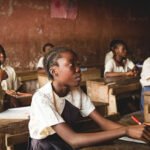
Other achievements of WFP in the country, according to the statement, included supporting the government’s priority of drawing children to school, by feeding 327,000 pupils daily in over 1,000 schools.
WFP said it also supported the Sierra Leonean government to pilot a home-grown school feeding model where school food is sourced from local smallholders in the country.
Photo source: World Bank