




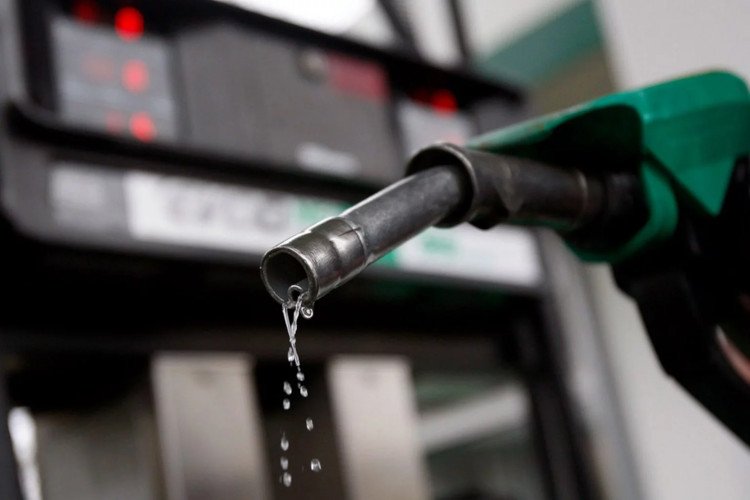
With rising crude oil prices, supply constraints, and logistics disruptions driven by escalating tensions in the Middle East, petrol prices in Nigeria could climb to about N1,400 per litre this week, pushing the cost-of-living crisis into even harsher territory for citizens.
Development Diaries reports that industry players say the situation is linked to rising crude oil prices triggered by tensions in the Middle East, supply disruptions, and the refinery’s reliance on crude feedstock.
For ordinary citizens, the numbers already sound like fiction, as only a few years ago, Nigerians debated petrol prices in the hundreds. Now the conversation is comfortably sitting above N1,000 per litre and eyeing N1,400 like a determined mountain climber.
The deeper issue this story raises is not only about a refinery or global oil prices. It is about the fragile structure of Nigeria’s energy system. The government said it removed fuel subsidies in 2023, promising that a market-driven system would eventually stabilise supply and attract investment.
Instead, Nigerians are learning that a market without strong safeguards can sometimes behave like a roller coaster. It moves very fast, and passengers rarely know when the next drop is coming.
This is why the possibility of petrol selling for N1,400 per litre is both an economic story and a governance test.
Nigeria has obligations under international frameworks such as the United Nations Sustainable Development Goals, particularly the goal that calls for access to affordable and reliable energy for all. When energy prices spiral beyond the reach of ordinary citizens, the ripple effects hit almost every basic right.
Transport becomes more expensive, affecting access to work and education. Food prices climb because farmers and traders must move goods across long distances. Health care becomes harder to reach when patients cannot afford transportation to hospitals.
And the burden is never distributed equally, as women who run small businesses often rely on daily transport to markets. When fares double, their profit margins disappear. Young people commuting for school or job opportunities find mobility becoming a luxury, while persons with disabilities, already facing barriers to transportation, may find the system becoming even less accessible.
Even commercial drivers, like Ibrahim Lawal, who works along the Iyana Ipaja–Oshodi corridor, know what comes next. When fuel prices rise, transport fares follow immediately, and passengers are left negotiating between hunger and movement.
Yet while fuel prices dominate daily conversation, some political actors have been encouraging protests about international conflicts that have little direct impact on the immediate survival of Nigerians.
What Nigerians need now is not symbolic outrage directed at distant geopolitical battles. They need practical pressure directed at institutions responsible for energy governance at home.
The President Bola Tinubu-led government must ensure that energy reforms do not leave citizens exposed to extreme price shocks. The Nigerian National Petroleum Company Limited must guarantee stable supply and transparent pricing practices.
As for the Nigerian Midstream and Downstream Petroleum Regulatory Authority, they must regulate the market to prevent distortions and ensure fair competition; and the Dangote Refinery itself must maintain transparency about production, supply conditions, and pricing decisions that affect millions of Nigerians.
Citizens should demand transparency in fuel pricing. The government and regulators must clearly explain how pump prices are calculated and why sudden increases occur.
There must also be a serious diversification strategy to reduce reliance on a single dominant refinery or supply pathway. Energy markets built on one major supplier can quickly become vulnerable to disruptions.
Government institutions should accelerate investment in alternative refining capacity, expand domestic crude supply arrangements for local refiners, and support mass transit systems that reduce dependence on private petrol consumption.
In the immediate term, regulators must ensure that petrol distribution remains competitive and free from artificial shortages that create panic pricing across filling stations.
The promise of subsidy removal was that the market would eventually stabilise, but Nigerians are still waiting to see that stability.
Until then, citizens have every right to ask difficult questions about how energy reforms are being managed and who is ensuring that market forces do not become market chaos.