



The World Bank’s latest development report on Nigeria exposes alarming mismanagement of oil revenues that continues to deepen poverty and widen inequality for everyday Nigerians.
Development Diaries reports that the Nigerian National Petroleum Company Limited (NNPCL) reportedly retained half of its oil revenue in early 2025, citing old debts, and only remitted the remaining 50 percent to the Federation Account.
According to the report, the NNPC started transferring the revenue gains to the federation account only in January 2025.
This move, taken without full validation from the federal government, which only acknowledges N6.1 trillion out of the NNPCL’s claimed N7.8 trillion in arrears, highlights a significant breakdown in transparency and oversight within the country’s most critical revenue-generating sector.
Since the government said it only agrees with part of this amount (N6.1 trillion), meaning over N1.7 trillion is still being disputed.
This shows a lack of clear and honest communication between NNPCL and the government.
When there is no transparency in how public funds are handled, it becomes difficult for Nigerians to trust their leaders or hold them responsible.
Another worrying issue is that the government claimed fuel subsidy payments had stopped, but in reality, they continued until October 2024.
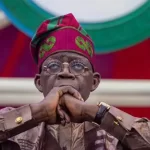
Despite President Bola Tinubu’s May 2023 declaration that subsidies had ended, and repeated affirmations from ministers throughout 2023 and 2024, data shows that the federal government continued to fund subsidies until October 2024.
Subsidy payments are projected to have reached N5.4 trillion in 2024, nearly double the amount spent in 2022.
This contradicts official statements and suggests that citizens were misled, bearing the economic burden of increased fuel prices under the guise of subsidy removal while the government quietly sustained the payments.
The consequences of this fiscal mismanagement directly impact citizens, particularly those already burdened by rising fuel prices and inflation.
After being told subsidies had ended and facing hardship from the resulting price hikes, Nigerians now learn that trillions were still spent secretly on subsidies.
This represents a breach of the social contract. Ordinary Nigerians suffered and are still suffering the most from the so-called reforms, while the policies made by those in power protected the same problems they were supposed to fix.
True economic justice demands that reforms benefit the majority, not only bolster fiscal numbers or serve the interests of the elite.
Development Diaries, therefore, calls on President Tinubu to initiate an independent audit of the NNPCL’s financial operations, particularly its arrears and remittance practices.