





The confirmation of 64 ambassadorial nominees by the Nigerian Senate comes with clear expectations for stronger, results-driven diplomacy.
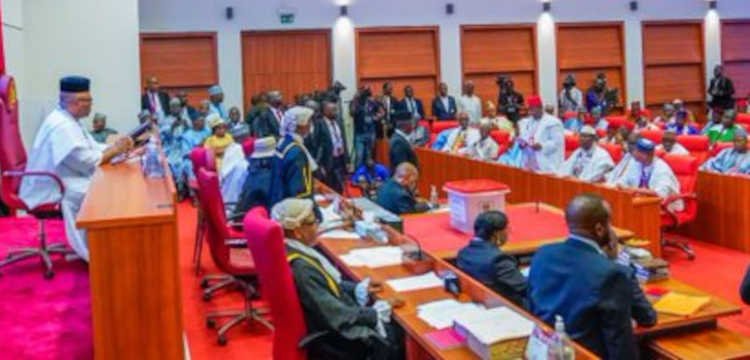
Development Diaries reports that the Senate has confirmed the appointment of 64 ambassadorial nominees, following the presentation of the Senate Committee on Foreign Affairs’ report in the Committee of the Whole.
The ambassadorial nominees were comprised of 34 career diplomats and 30 non-career appointees.
With a mix of career diplomats and non-career appointees, expectations are high that Nigeria’s foreign missions will become more active, responsive, and strategic.
These ambassadors are expected to protect Nigeria’s interests abroad, strengthen bilateral relations, promote trade and investment, and improve the welfare of Nigerians living overseas.
At a time when Nigeria is grappling with economic pressure and security concerns, diplomacy is no longer ceremonial; it must deliver clear results.
One major expectation is economic diplomacy. Nigeria received about $20.93 billion in diaspora remittances in 2024, which highlights the scale of remittances supporting households and foreign exchange.
Ambassadors are expected to leverage this strength by attracting foreign direct investment, opening markets for Nigerian goods, and supporting trade partnerships that can create jobs at home.
They are also expected to actively market Nigeria as a viable destination for business, beyond conferences and photo opportunities.
Another key responsibility is the protection of Nigerians abroad.
A report cited by PwC listed estimates suggesting around 15 million Nigerians in the diaspora, many of whom depend on embassies for consular services such as passport renewal, emergency support, and legal protection.
It is important to note that persistent complaints about slow services, poor communication, and neglect at some embassies remain a concern.
Ambassadors will be judged by how accessible, efficient, and people-focused their missions become, especially in times of crisis involving Nigerian citizens.
However, concerns remain. The inclusion of non-career ambassadors raises questions about competence, continuity, and whether political loyalty might outweigh professional capacity in some postings.
There are also concerns about funding, as under-resourced missions may struggle to meet expectations regardless of who is appointed. Without clear performance benchmarks and accountability, the promise of a stronger foreign policy may remain largely on paper.
As these ambassadors take up their postings, Nigerians must demand results, not rhetoric. The Presidency and the National Assembly should set clear performance measures, while citizens must track outcomes in trade, citizen protection, and global influence.
Representation abroad should translate into dignity, opportunity, and tangible benefits for Nigerians at home and in the diaspora.