

The Senate’s decision to investigate Nigeria’s railway system is a step in the right direction, but Nigerians should look closely at the facts behind the headline.
Development Diaries reports that the Senate has begun an investigation into inefficiencies and security challenges in Nigeria’s railway system after concerns were raised about declining quality of service.
Data from the National Bureau of Statistics (NBS) show that Nigeria’s rail sector had been growing in passenger numbers and revenue before the current decline in service quality, with 929,553 passengers transported and N1.95 billion in passenger revenue recorded in the first quarter of 2025 alone, a 37 percent rise compared with the same period in 2024.
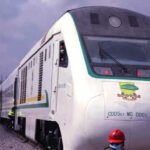
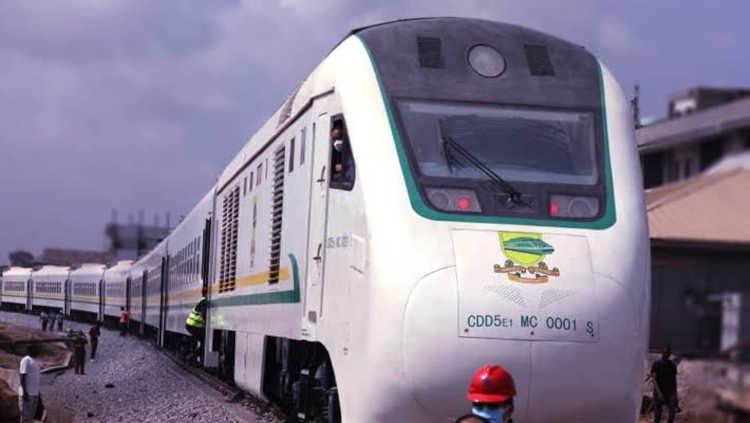
Yet despite this growth, structural problems persist. For example, on the Abuja–Kaduna line, which once carried about 10,000 passengers daily with 10 return trips, services have dwindled to just one trip each way, and journey times have stretched from about 90 minutes to over three hours.
The rising patronage in some data and declining service delivery on key corridors highlight systemic issues that must be addressed.
The concern from this development is that oversight should not be limited to parliamentary rhetoric.
The Abuja–Kaduna standard-gauge line alone has transported millions since its launch and was built with significant public funds, yet its performance now undermines public trust.
While overall national figures show growth in passengers and revenue, the quality of service, frequency, speed, and security have a direct impact on ordinary commuters who depend on rail for work, education, and business travel.
An effective investigation must go beyond generalities to probe specific failures in project execution, maintenance, and funding.
Nigerians should demand that the Senate’s six-week probe examine not only how much revenue the Nigerian Railway Corporation has earned, but also why revenue gains have not translated into reliable operations on major corridors.
The committee needs to audit contracts, inspect infrastructure, and assess whether loan funds and budget allocations to rail projects were fully and properly used.
It is also important to note that accountability means consequences; hence, if the investigation finds mismanagement, poor procurement decisions, or corruption, the report should be made public and relevant agencies must act.
The Nigerian Railway Corporation, the Ministry of Transportation, and the Ministry of Finance must answer questions about delays, degraded tracks, and reduced services, and where private contractors are implicated, they should be held responsible for rectifying defects or facing sanctions.
Nigerians should demand that this investigation be transparent and participatory. Citizens must call for public release of the committee’s findings, not hidden briefings, regular updates on repaired services, clear timelines for restoring frequency and speed on the Abuja–Kaduna and other lines, and measurable targets that ensure rail delivers the safe, efficient travel Nigerians were promised.
We as citizens should press lawmakers to turn this probe into real improvements, because improved rail services would lower travel costs, reduce road congestion, and support economic activity for millions of Nigerians every year.
Photo source: Nigeria Railway Corporation