

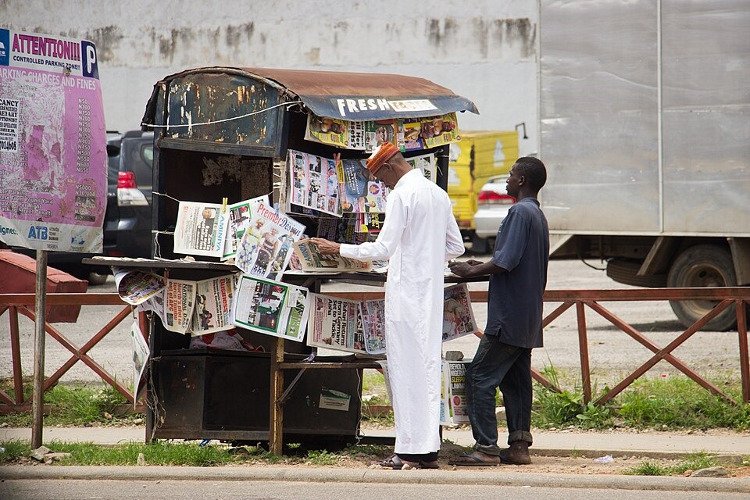
Welcome to Tuesday’s roundup of Nigerian newspaper headlines, where we scan the papers and then gently remind power that citizens are still awake.
1. Punch: Big money, small impact: Govs face fire over N9tn FAAC windfall
In 2025, state governments hit what should have been a financial jackpot, about N9tn in FAAC allocations, yet Nigerians are still being told to endure, adjust, and hope. With allocations jumping by over N2tn in a single year, labour unions, opposition parties, and civil society are wondering how states can be this flush with cash while public services remain stuck in survival mode, raising the uncomfortable suspicion that the money is working very hard somewhere else, just not in citizens’ lives.
Our Take: With states swimming in about N9tn, we as citizens should be demanding open budgets, published FAAC spending breakdowns, stronger state assemblies, and real consequences for misuse of public funds, because ‘record allocations’ mean nothing if roads stay broken, salaries lag, and hospitals keep improvising. If governors insist the money is working quietly, then Nigerians are well within their rights to ask that it work loudly, visibly, and with receipts.
2. Daily Trust: Billions lost at Kano Commodity Hub
Traders at Kano’s Singer Market woke up to another familiar Nigerian nightmare after an early morning fire tore through parts of the market, wiping out warehouses packed with goods. While the Kano State Fire Service confirmed the incident, traders are left counting losses and wondering, once again, why prevention is always treated as a luxury in places where livelihoods are stacked floor to ceiling.
Our Take: Beyond sympathy visits and recycled promises, Kano residents should demand enforceable fire-safety standards, regular inspections of major markets, functional hydrants, and a properly funded emergency response system from the Kano State Government, the Ministry of Works and Housing, and the Fire Service, because a market that holds goods worth billions cannot rely on prayer and a 3:16 a.m. distress call as its fire plan.
3. The Guardian: Nigeria paying heavy price for underfunding education sector, says Osinbajo
Former Vice President Prof. Yemi Osinbajo has warned that the country is paying a heavy price for broken, underfunded schools, because while early morning bells once built leaders, today’s students are being asked to form character in classrooms that barely function.
Our Take: If Nigeria truly believes education shapes leaders, then the Federal Government, the National Assembly, state governors, and the Ministry of Education under Tunji Alausa must move beyond speeches to funding, standards, and accountability. We cannot keep celebrating the discipline of yesterday’s schools while today’s students learn in broken classrooms, unless the plan is to keep producing great memories instead of capable leaders.