




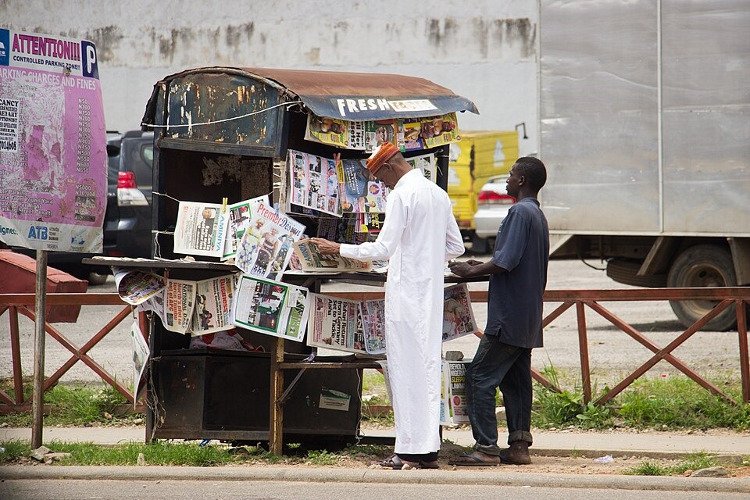
Welcome to Tuesday’s roundup of Nigerian newspaper headlines, accompanied by our advocacy-focused calls on issues that impact citizens.
1. The Guardian: Presidency to Spend N1.98 Billion on Fueling Generators This Year
The Federal Government’s planned N1.98 billion spend on fuelling State House generators this year, unchanged from the 2025 budget, highlights how deeply the power crisis has been normalised at the very top, even as billions are allocated to a Villa solarisation project estimated at N7 billion after an earlier N10 billion provision.
Our Take: Citizens should demand transparency, strict timelines, and accountability for power-sector spending, especially as generator costs at the State House soar into billions alongside expensive solar projects. Nigerians can insist on audits that explain why darkness keeps getting funded while electricity remains elusive.
2. Daily Trust: Katsina: Fresh attacks amid bandits’ release plan
Katsina State has again witnessed deadly attacks on civilians as bandits reportedly ambushed a wedding convoy in Unguwar Nagunda village, Kankara LGA, killing at least two guests, abducting 17 people, including the bride, and injuring several others, even as the state government moves closer to releasing detained bandits under so-called community peace agreements.
Our Take: Citizens should demand that the Katsina State Government pause the feel-good optics of ‘community peace deals’ and first prove, publicly and transparently, that releasing detained bandits will not keep turning weddings into hunting grounds. Citizens can insist on clear security benchmarks, survivor-centred justice for victims, and accountability for officials who negotiate peace in press statements while civilians pay in blood and trauma.
3. Punch: Two-year refining milestone: Fuel import spending crashes 54 percent to $6.7billion
The amount spent on the importation of refined petroleum products has dropped sharply by 54 percent in two years, falling from $14.58bn in the first nine months of 2023 to $6.71bn in the corresponding period of 2025, according to data from the Central Bank of Nigeria’s Balance of Payments report.
Our Take: Citizens should demand that the government finally turn this shrinking import bill into a real win by fully reviving and transparently running local refineries. Nigerians can insist on clear timelines, public performance reports, and consequences for refinery ‘repairs’ that last longer than university degrees. If we can reduce imports by half on paper, surely we can refine at home in practice, unless, of course, the national plan is to celebrate PowerPoint savings while generators and tankers remain our most reliable infrastructure.