




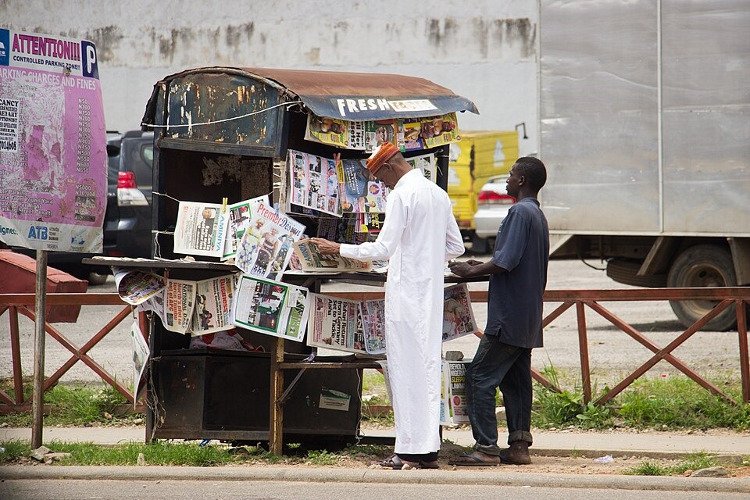
Welcome to Thursday’s roundup of Nigerian newspaper headlines, where we scan the papers and then gently remind power that citizens are still awake.
1. The Guardian: Concerns as 10 MDAs Budget N24 Billion for Software This Year
So, ten federal agencies are planning to spend N24 billion on ‘software’ in 2026, part of a wider billion-naira spree by 115 MDAs. Experts are worried about capital flight, security risks, and the long Nigerian tradition of using ‘IT project’ as a cloak of invisibility during budget defence.
Our Take: Nigerians must stop letting ‘IT’ behave like a magic word that suspends scrutiny. We should demand a strict local-content-first policy, mandatory NITDA clearance for every software project, and full public disclosure of costs, vendors, and outcomes. If billions are being spent on systems, we deserve to know who built them, where they are hosted, and whether they are working. And did any Nigerian developer learn anything from it?
2. Punch: FG, ASUU unveil agreement to end strikes, varsities closures
After years of drama, delays, and ‘we will get back to you’, the federal government and ASUU have unveiled a renegotiated agreement meant to finally end the strike ritual in Nigerian universities. This is the same 2009 pact that was due for review in 2012, started in 2017, and has now aged like palm wine in a hot car.
Our Take: This must not become another document that shines in press conferences and disappears in implementation. Nigerians, let us demand clear timelines, budgetary backing, and public monitoring. We should insist that January 2026 does not become ‘soon’. Students, parents, and lecturers must be part of tracking the 40 percent salary review, university autonomy, and academic freedom. No more ‘agreement reached, implementation pending’ as a national lifestyle.
3. The Guardian: Ambassadors’ absence, ‘desperation’ expose FG’s $9m lobbying in U.S.
Nigeria reportedly spent nine million dollars on U.S. lobbyists to manage its image, but instead attracted more criticism. Observers say it reflects diplomatic paralysis and desperation, especially at a time of insecurity and economic strain.
Our Take: With ambassadors finally in place, Nigerians should demand results. Credibility cannot be outsourced like dry cleaning. Government must start using its own diplomats to tell Nigeria’s story with facts, urgency, and honesty. We should call for measurable outcomes tied to security, human rights, and trade.
That’s today’s review of newspaper headlines. See you tomorrow.