


Here is a roundup of some Nigerian newspaper headlines, accompanied by our advocacy-driven demands for government action in addressing citizens’ concerns.
1. Punch: States Hit by 68 Percent Spike in Foreign Debt Payments
The Punch reports that states collectively spent about N235.58bn on servicing external debt obligations in the first half of 2025. This is according to an analysis of the data from the Federal Account Allocation Committee disbursement released by the National Bureau of Statistics.
Our Take: State governors must urgently adopt prudent fiscal management and diversify revenue sources, while actively pursuing debt restructuring negotiations and ensuring transparent use of public funds, to prevent spiralling foreign debt repayments from crippling investments in critical sectors like infrastructure, education, and healthcare.
2. Daily Trust: Residents Flee Kwara Villages over Attacks
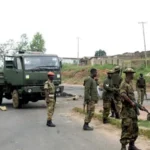
Residents of Babanla and neighbouring communities in Ifelodun Local Government Area of Kwara State that came under bandits’ attacks at the weekend, have fled.
The attacks left five persons, including a police officer, dead.
Our Take: We urge the Kwara State government and security agencies to take intensify security patrols, bring the perpetrators to justice, and provide urgent relief and support for displaced residents to ensure their safety and restore peace.
3. ThisDayLive: To Cut Cost, FG Launches N100bn Initiative to Power Public Institutions with Solar Energy
The Rural Electrification Agency (REA) has signed a Memorandum of Understanding (MoU) with the Budget Office of the Federation, Infrastructure Corporation of Nigeria (InfraCorp), and the Ministry of Finance Incorporated (MOFI), to mark the official launch of the National Public Sector Solarisation Initiative (NPSSI).
Our Take: Minister of Power Adebayo Adelabu, alongside relevant agencies, must ensure that while initiatives like the N100bn NPSSI are commendable, they do not become a shiny distraction from the urgent task of improving Nigeria’s overall power generation and fixing the national grid. Beyond powering public institutions, there must be a clear plan to make clean energy affordable and accessible for vulnerable