




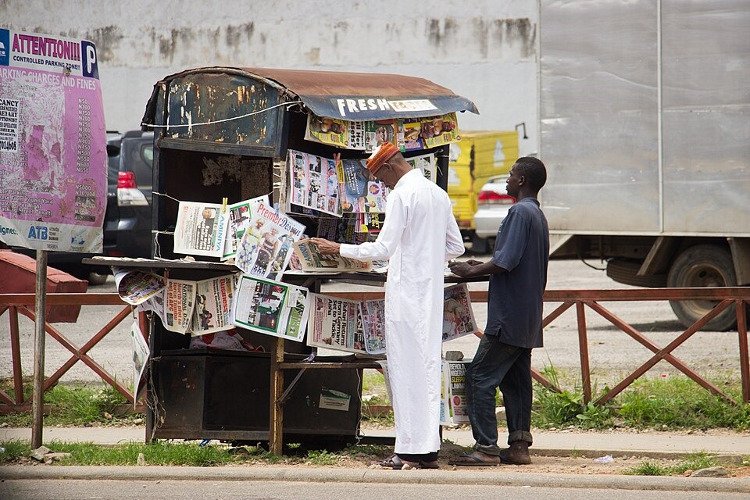
It’s Friday, and here is our review of some Nigeria newspaper stories, where we call the government’s attention to the concerns and needs of the people.
1. The Guardian: Hippocratic betrayal: How fatigue, poor accountability make medical mistakes routine
Let us begin with the health system, where doctors take an oath to protect life, but the system around them sometimes makes that promise difficult to keep.
The Guardian reports that medical errors in Nigeria are becoming a troubling feature of hospital experiences, with omitted medications, wrong clinical decisions, and delayed emergency care happening often enough to attract serious concern.
Our Take: This raises important questions for Nigeria’s health authorities. The Federal Ministry of Health and Social Welfare, the Medical and Dental Council of Nigeria, and hospital management boards across the states must strengthen clinical governance, enforce professional standards, and ensure that patient safety is treated as a national priority.
Citizens, too, have a role to play. Patients and families should report suspected medical negligence to regulatory bodies and demand transparent investigations when tragedies occur.
2. Channels: Over 3.7m Internally Displaced Persons Living In Nigeria – IOM
From hospital wards, we move to another headline that reminds us that millions of Nigerians are living a reality far removed from political speeches.
The International Organisation for Migration (IOM) says more than 3.7 million people are currently displaced across Nigeria because of conflict, violence, and climate disasters such as flooding.
Our Take: Pause for a moment and picture that number. It is roughly the population of several Nigerian states combined, with many living in camps or temporary shelters, uncertain about the next meal or the next rainy season.
The institutions responsible for addressing this crisis include the National Emergency Management Agency, state emergency agencies, and security institutions tasked with protecting communities from violence. Government leaders at the federal and state levels must treat displacement as a national emergency that requires long-term solutions.
Citizens can support advocacy efforts by demanding transparency in how humanitarian funds are used and by encouraging lawmakers to prioritise policies that address the root causes of displacement, including insecurity and climate resilience.
3. ThisDay: Cardoso: Nigeria Better Positioned to Weather Current Global Economic Shocks
Finally, let us look at the economy, where the governor of the Central Bank of Nigeria (CBN), Olayemi Cardoso, has assured Nigerians that the country is now better positioned to withstand global economic shocks arising from geopolitical tensions in the Middle East.
Our Take: Does this macroeconomic stability translate into the lives of everyday Nigerians? Economic resilience should be reflected in affordable food, stable transportation costs, job opportunities, and a currency that does not surprise citizens every week.
The duty bearers here include the CBN, the Federal Ministry of Finance, and other members of Nigeria’s economic management team. Their policies must translate into real improvements in the lives of citizens, not just impressive technical indicators.

