


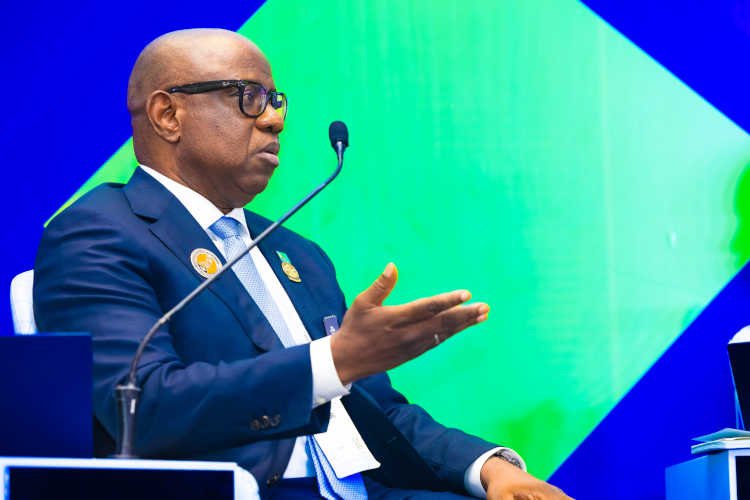
The admission by Nigerian National Petroleum Company (NNPC) Limited’s Group Chief Executive Officer (GCEO) that Nigeria’s refineries were running at a ‘monumental loss’ is a confirmation that public money has been drained for years without clear results.
Development Diaries reports that NNPC’s GCEO, Bayo Ojulari, recently acknowledged that the nation’s refineries had become a major financial drain on the country, operating at what he described as a ‘monumental loss’ to Nigeria.
According to the GCEO, the NNPCL injected an estimated N13.2 trillion into the country’s three state-owned refineries in 2023 and 2024, largely to fund turnaround maintenance, operations, and associated bank charges.
While the past GCEO, Mele Kyari, made efforts to revamp the moribund refineries, his successor, Ojulari, indicated that these efforts were a mere waste of resources.
Injecting N13.2 tirllion into facilities that produced little or no commercially meaningful output shows a system where spending continues without measurable performance.
The refineries became cost centres funded by public resources, while expectations of local refining, cheaper fuel, and supply stability remained unmet.
This is why Nigerians must now demand receipts, not reassurance. The real question is no longer whether money was spent, but how it was spent.
Citizens should ask for the itemised N13.2 trillion breakdown by refinery, contractor, scope of work, dates, and bank charges.
The trackable output here should be a published spreadsheet and full contract list that allows anyone to see where the money went.
Legislative oversight must also be activated. Nigerians should call, email, and publicly tag the relevant National Assembly committees to hold public hearings within 30 days.
These hearings must compel testimony from NNPC executives, contractors, supervising engineers, and auditors, with a hearing date fixed, witness list, documents submitted, and clear resolutions passed in order for the evidence of seriousness to be trackable.
At the same time, citizens can crowdsource evidence to test ‘reopening claims vs reality’. Independent observers, transport unions, depot operators, and fuel marketers can document product availability, truck-out volumes, and actual supply chain effects.
This can feed into a public ‘claims vs evidence’ dashboard. In parallel, there should be a petition for a forensic audit of the 2023–2024 turnaround maintenance spending, with an audit commencement letter, scope, completion date, and published summary.
Finally, attention must turn to the contractors and the future of financing. Nigerians should identify the top contractors involved and demand disclosure of performance deliverables, penalties for missed milestones, and enforcement records.
Any future funding must be tied to independently verified milestones, not promises.
There must be a forensic audit, a monthly refinery performance ledger, contract transparency with sanctions where necessary, and an independent review to decide whether each refinery should be restructured, concessioned, or closed.
While this plays out, the government must protect consumers who are already paying the hidden bill, women traders, low-income commuters, persons with disabilities, and households forced to choose between transport, food, and school fees.
Photo source: NNPC Limited