


When wars thousands of kilometres away begin to threaten the price of fuel, food, and foreign exchange in Nigeria, citizens quickly realise that global crises have a way of knocking directly on local kitchen doors.
Development Diaries reports that the Nigerian government says it is closely monitoring rising geopolitical tensions in the Middle East involving the United States, Israel, and Iran to safeguard Nigeria’s economic stability.
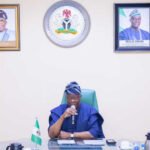
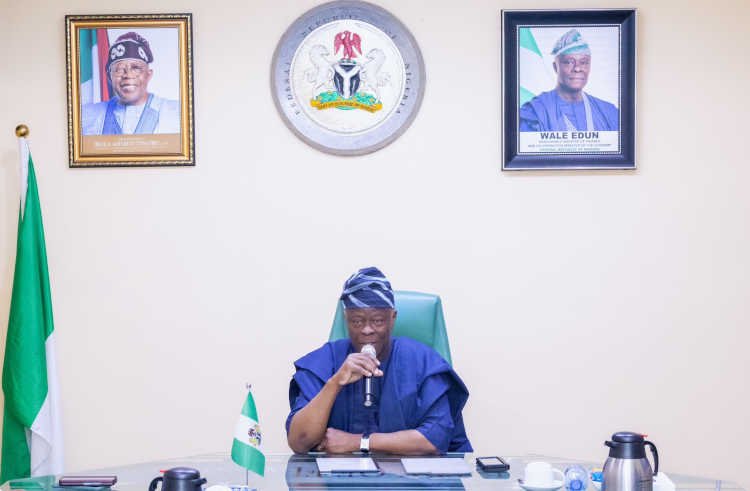
The assurance came after a meeting of the Economic Management Team chaired by the Minister of Finance, Wale Edun, who explained that the government is tracking developments because the conflict could disrupt global energy supply routes such as the Strait of Hormuz.
For Nigerians who have lived through several fuel price shocks in the past few years, the expression ‘we are monitoring the situation’ usually lands like a ‘brace yourself’ polite warning.
The government says global uncertainty could trigger higher oil prices, capital flight, and rising logistics costs. That may sound like the language of economists discussing charts in a conference room, but for citizens it translates into more expensive petrol, higher transport fares, and food prices climbing again.
And this is where the conversation becomes particularly sensitive, because Nigeria is now navigating global oil volatility without fuel subsidy.
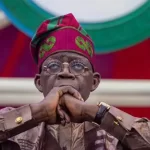
Since the removal of subsidy under the administration of Bola Tinubu, petrol prices have become more directly tied to global oil markets. In theory, that makes the system more transparent and fiscally sustainable.
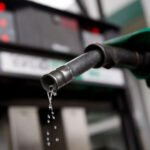
But in practice, it also means that geopolitical tensions in distant regions can quickly appear in the price Nigerians pay at the pump.
So when the government says it is monitoring global tensions, citizens are really asking ‘monitoring what exactly, and what happens after the monitoring’?
That is because if global oil prices spike and petrol prices rise again, monitoring alone will not help a commercial driver buy fuel, nor will it reduce the cost of transporting tomatoes from farms to markets.
The real issue raised by this situation is how prepared Nigeria’s economic management system is to shield citizens from external shocks.
The Economic Management Team led by Minister Edun must design policy responses that stabilise the economy during global turbulence, while the Central Bank of Nigeria (CBN) must manage exchange rate volatility and financial stability.
For the Nigerian National Petroleum Company Limited, it must ensure adequate domestic fuel supply and transparent pricing mechanisms.
Meanwhile, the Nigerian Midstream and Downstream Petroleum Regulatory Authority must ensure that petrol distribution and pricing practices do not allow panic, speculation, or artificial shortages to worsen the situation.
There is also a humanitarian dimension that cannot be ignored. As tensions escalate in the Middle East, Nigerian citizens living in affected countries may face safety risks and travel disruptions. The Nigerians in Diaspora Commission, led by Abike Dabiri-Erewa, has already indicated that evacuation efforts will begin once regional airspace becomes safe.
For Nigerians stranded abroad, monitoring developments is important, but safe evacuation and clear communication are even more urgent.
Beyond economic management and evacuation logistics, the issue also touches on citizens’ rights.
Nigeria is committed to global development frameworks that emphasise economic stability, social protection, and access to basic services. When international shocks threaten livelihoods, governments have a responsibility to adopt policies that cushion citizens from extreme hardship.
That is why citizens must not only listen to government assurances; they must also demand clear action.
If the government is monitoring global developments, Nigerians deserve to know what contingency plans are already in place. What policies will be activated if oil prices spike sharply? How will transport costs be managed? What support systems exist for small businesses that may struggle with rising operational costs?
Transparency is essential in moments like this. Economic management should not look like a secret meeting where decisions quietly appear after crises unfold.
Citizens can also engage lawmakers and demand that economic oversight institutions provide regular updates on how global tensions are affecting Nigeria’s economic stability.
At the same time, the Economic Management Team must communicate its contingency strategies clearly to the public, with the CBN guarding against financial instability and petroleum regulators ensuring that supply chains remain functional and transparent.

