


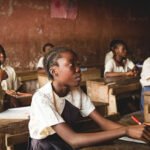



WaterAid Malawi has called on the government to prioritise water in its climate plans as poor communities need to adjust to changing weather patterns.
The non-governmental organisation (NGO) said the impact of climate change on people’s water supplies is being overlooked, adding that climate change threatens water access for the world’s poorest people.
In its latest report, Turn the tide: The state of the world’s water 2021, WaterAid noted how people are losing access to clean water as longer droughts dry up springs.
Africa, it is understood, has been warming progressively since the start of the last century, and in the next five years, according to the UN World Meteorological Organisation (WMO), northern and southern Africa are likely to get drier and hotter, while the Sahel region gets wetter.
‘Without easy access to clean water, people’s lives are blighted by sickness, poverty, and the endless drudgery of collecting water’, the NGO said in a statement.
‘Women and girls around the world already collectively spend an estimated 200 million hours a year, or around 23,000 years of their lives, walking to fetch water’.
The organisation noted that 31 percent of the Malawi population do not have access to clean water, translating to 5.8 million people out of the over 17 million people.
‘For water, climate change acts as a threat multiplier, worsening problems caused by poor management of water resources, lack of political will, and inadequate investment’, it added.
‘With the current climate scenario, it is predicted that water scarcity will displace between 24 million and 700 million people by 2030’.
The organisation noted that investing in water systems that provide a reliable supply is a frontline defence against the impact of climate change.
Source: WaterAid
Photo source: IRC