



The persistent failure of State Independent Electoral Commissions (SIECs) to conduct credible local government elections is a glaring indictment of state governments and their commitment to democratic governance.
Development Diaries reports that the Independent National Electoral Commission (INEC) has lamented the ‘low quality’ of local government elections conducted by the SIECs.
According to reports, INEC chairman Mahmood Yakubu has demanded improvements in the areas of planning, execution and adherence to statutory electoral timelines.
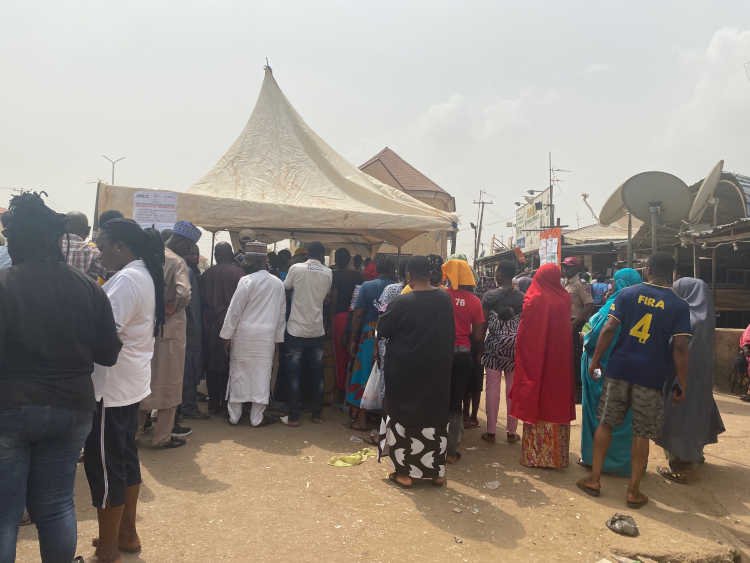
Despite the constitutional role of local councils as the closest tier of government to the people, these elections are routinely reduced to mere formalities, often characterised by rushed timelines, poor logistics, and outcomes that overwhelmingly favour ruling parties.
INEC Chairman Yakubu has rightly criticised this trend, noting that the practice of issuing only 21 days’ notice for such elections not only violates the Electoral Act 2022 and Supreme Court judgements but also renders genuine democratic participation practically impossible.
This failure has far-reaching consequences for grassroots development.
Local governments are charged with delivering primary education, healthcare, water, and sanitation, yet many lack the leadership and accountability mechanisms needed to function effectively.
According to a 2021 report by the World Bank, a sizable portion of rural areas in Nigeria do not have access to basic medical care and clean water.
The report states that just half of rural families have access to better sanitation, and about 39 percent do not have access to at least basic water supply services, a situation worsened by the appointment of local officials through manipulated or sham elections.
When citizens are denied the right to freely elect their local representatives, the resulting councils often serve elite political interests instead of public needs, further worsening poverty and underdevelopment at the community level.
Development Diaries calls on the Forum of States Independent Electoral Commissions of Nigeria, (FOSIECON) to standardise electoral procedures in line with Sections 98–113 and Section 151 of the Electoral Act 2022.
We also call on State Houses of Assembly to align local electoral laws with national legislation to prevent further legal and operational conflicts.
INEC’s approach in the FCT, where elections are announced nearly a year in advance, should be adopted as a benchmark by all SIECs to ensure credible processes and voter confidence.
Most importantly, we call on state governments to stop treating local government elections as mere political rituals and instead commit to upholding democratic standards.
They should guarantee the independence and funding of SIECs, refrain from imposing candidates, and respect the electoral process.
If local governments are to play their constitutional role in delivering public services and promoting inclusive development, their leadership must emerge from free, fair, and transparent elections. Anything less is a betrayal of the Nigerian people’s right to accountable governance.

