




The recent wave of terrorist attacks in Nigeria demands strong, frontline leadership, but President Bola Tinubu’s preference not to speak directly to Nigerians denies the nation the reassurance it desperately needs.
Development Diaries reports that, in a statement released on Sunday, the president announced the rescue of all 38 worshippers abducted during last Tuesday’s attack on the Christ Apostolic Church, Oke Igan, in Eruku, Kwara State.
It was understandably a relief, as finally, we have some good news in a season dominated by violent attacks, fear, and unanswered questions.
This latest incident and the two large-scale abductions in Kebbi and Niger states are not isolated occurrences. They raise renewed concerns about organised kidnapping networks spreading across Nigeria’s north-central and north-west regions. The Eruku attack drew particular national attention because the victims were worshippers, many of them women and children.
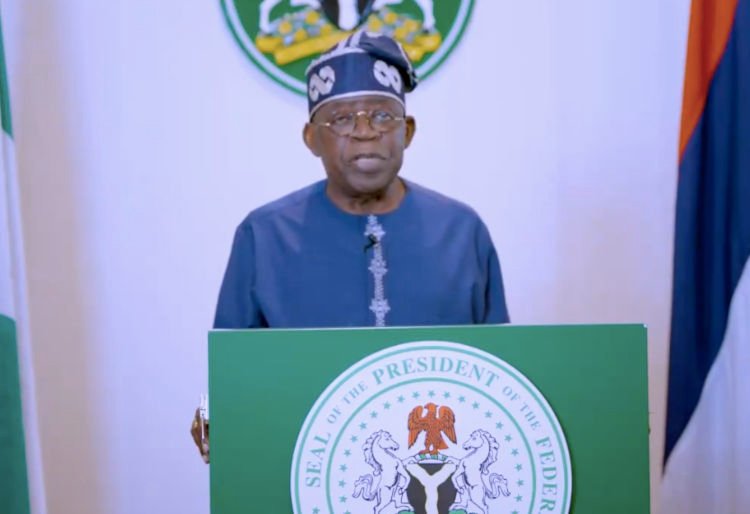
Although the president issued written statements through his media team and social media, noting that he had met with security chiefs over the rising abductions and attacks, this moment demands much more. Nigerians need their president to speak to them directly.
At a time when millions of Nigerians feel unsafe, and when international partners such as the United States are openly debating our country’s security trajectory, President Tinubu’s physical presence matters.
If only President Tinubu would speak directly to Nigerians in his own voice, rather than through spokespersons and social media posts. In moments of national distress, democracies demand visible leadership. Presidents across the world routinely address their citizens directly during tragedies.
Body language is also communication, and Nigerians need to see their leader demonstrate empathy, urgency, and accountability. These are values that align with Section 14(2)(b) of the 1999 constitution, which makes the security and welfare of the people the primary purpose of government.
If only President Tinubu, alongside security chiefs, would visit the communities and families affected by these attacks, it would send a clear message that the government is in control, that victims are seen and heard, that terrorists cannot intimidate the state, and that institutions are alive and functioning.
Nigeria cannot afford a communication vacuum at a time when citizens are anxious and distrustful. The President’s recent explanation that he cancelled a trip to the G20 Summit in South Africa to coordinate security efforts is noteworthy, but it does not automatically reassure citizens. And while the vice president can represent the president, there are moments, especially now, when Nigerians need to see their commander-in-chief in person. This is one of those moments, Mr President.
Nigeria’s global reputation is on the line, with investors, diplomats, and international organisations closely watching how the government responds to repeated abductions. This is why a national address is essential, both to reassure citizens and to show the international community that measurable actions are being taken. It would signal that Nigeria is confronting the crisis and demonstrating leadership at a time when many feel abandoned.
The bottom line is that leadership requires a voice. President Tinubu must speak directly to Nigerians, not only through tweets or spokespersons, but also through a national broadcast and visits to affected communities. The highest office in the land cannot remain distant at a moment that demands full engagement. Nigeria needs its president to speak.