





Kenya’s current challenge with learners lacking basic writing materials raises serious concerns about equity in education, especially as Global Education Week focuses on inclusion.
Development Diaries reports that teachers in Kenya have revealed that many learners continue to struggle in class due to a persistent shortage of basic learning materials such as pens, pencils and exercise books.
According to a report by Capital FM, teachers now have to step in in many schools by buying extra pens and exercise books, a stopgap measure they say is unsustainable.
When children come to school without pens, pencils or exercise books, they are already starting the day at a disadvantage.
This situation goes against the spirit of the right to education guaranteed under Article 53 of the Kenyan Constitution and Article 28 of the UN Convention on the Rights of the Child (UNCRC), which emphasise that every child must have equal opportunity to learn and participate.
Basic stationery may seem small, but in reality it determines whether a child can follow lessons, complete assignments, or take part in group activities.
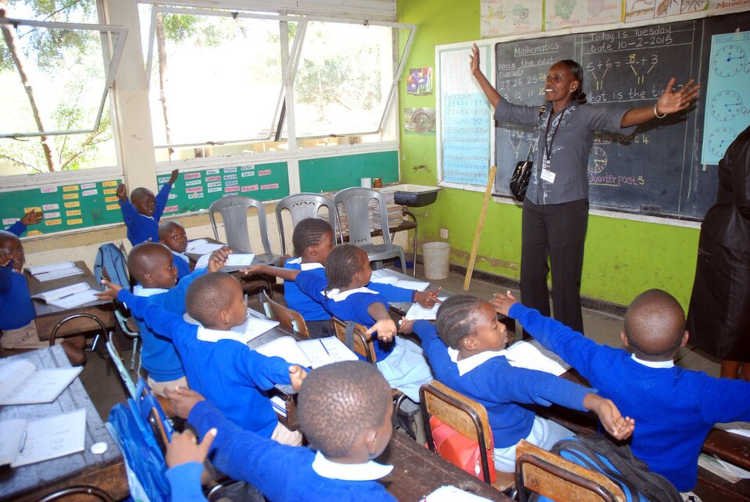
Teachers like Lucy Mugwe in the report highlight how the Competency-Based Curriculum (CBC) relies heavily on writing, reflection and group tasks.
When learners lack materials, teachers are forced to slow down lessons or simplify activities, creating gaps that grow over time.
This situation quietly divides pupils into those who can participate fully and those who cannot, reinforcing inequalities that Kenya is trying to eliminate through education reforms.
The emotional impact is also real, as children who cannot write often withdraw, lose confidence and feel left behind.
Parents, especially those in low-income communities, struggle to meet competing needs such as food and transport, leaving stationery as an unmet cost.
Many teachers try to fill the gap by buying extra pens and books with their own salaries, but this is not sustainable. Private donors who provide writing materials offer short-term relief, but these efforts do not replace a coordinated national response.
As Global Education Week reminds the world about inclusion, Kenya must take this moment to act. The Ministry of Education, county governments, school boards, and partners need to make basic learning materials part of essential school provisioning.
Schools should receive budget support for stationery, while social protection programmes should include education supplies for vulnerable households.
Photo source: Abz123m