




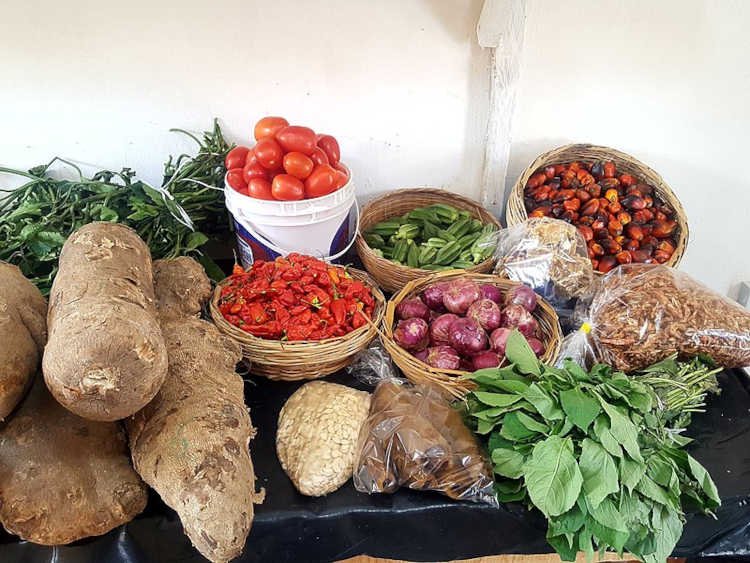
Despite the recent dip in inflation and a relatively more stable exchange rate, many Nigerians are yet to feel any real relief from the country’s economic reforms.
Development Diaries reports that the National Bureau of Statistics (NBS) recently disclosed that the headline inflation for June 2025 moderated to 22.22 percent relative to the May 2025 headline inflation rate of 22.97 percent.
While macroeconomic indicators such as the 22.22 percent inflation rate and a slight appreciation of the naira provide some optimism on paper, the Nigeria Employers’ Consultative Association (NECA) and the Nigeria Labour Congress (NLC) have rightly pointed out that the cost of living remains unbearable for average citizens, and businesses continue to operate under intense pressure.
In the words of the NECA president, Ifeanyi Okoye, ‘While this upward trend in GDP growth is encouraging, it is crucial that it translates into tangible improvements in the lives of Nigerians’.
The reality on the ground highlights the widening gap between economic statistics and lived experiences.
According to the two organisations, the main problem is that government policies are not being properly implemented, and there remains considerable insecurity in the country.
Although Nigeria recorded a GDP growth of 3.4 percent in 2024, up from 2.23 percent in 2023, this progress has not translated into improved livelihoods.
Instead, the poverty rate surged to 47 percent, from 38.9 percent the previous year, showing that the benefits of economic growth remain concentrated among a privileged few.
The fact that businesses are finding ways to cope and stay open does not mean the economy is truly recovering. Many of them are still struggling with high interest rates, low customer demand, and tough conditions made worse by insecurity.
Development Diaries calls on the Minister of Finance, Wale Edun, the Minister of Budget and Economic Planning, Abubakar Bagudu, the Minister of Industry, Trade and Investment, Jumoke Oduwole, and the Governor of the Central Bank of Nigeria (CBN), Olayemi Cardoso, to go beyond reform announcements and ensure the efficient implementation of policies that deliver real benefits to citizens.
Strengthening regulatory enforcement, reducing insecurity, investing in social safety nets, and fast-tracking the passage of critical legislation, such as the Anti-Counterfeiting Law, are urgent steps.
As long as economic growth fails to improve the everyday realities of workers and businesses, the recovery narrative will remain disconnected from the struggles of the people it is meant to serve.