




The coup in Guinea-Bissau is, above all else, a direct attack on the citizens who have endured decades of political instability and deserved a peaceful, credible election process.
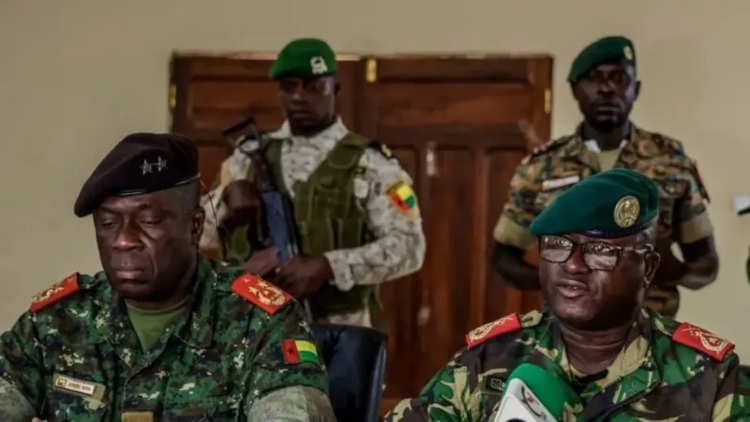
Development Diaries reports that a group of army officers in Guinea-Bissau who describe themselves as the ‘High Military Command for the Restoration of Order’ recently read out a televised announcement on the suspension of the country’s electoral process, declaring that they are taking control ‘until further notice’.
Since independence in 1974, Guinea-Bissau has experienced multiple coups and coup attempts.
There have been four successful coups and at least 16–17 additional attempted or alleged coups, according to data from the World Bank.
The African Development Bank (AfDB) in its Country Strategy Paper Review for Guinea-Bissau, noted that these repeated disruptions have contributed to extreme institutional fragility making it difficult for the state to deliver consistent governance, public services, or economic development.
While politicians and military officers scramble for power, it is ordinary people who wake up to curfews, closed borders, gunfire in the streets, and the abrupt halt of their democratic rights.
The suspension of the electoral process strips citizens of the one instrument they still believed they could rely on, which is their vote.
This latest takeover is another painful reminder that, in many West African countries, citizens are too often spectators in a political arena dominated by force rather than choice.
For the people of Guinea-Bissau, the human cost of yet another coup is immediate and severe. Families now face uncertainty about safety, movement, and access to basic services.
Businesses stall, schools shut down, and daily life is put on hold by fear of violence or arbitrary military action. Those who stood in line to vote just days ago must now watch the process collapse under the weight of gunfire and televised announcements from soldiers who claim to be acting ‘for the nation’ while silencing the very voices they claim to protect.
Repeated coups also deepen long-term psychological and economic harm. Citizens lose trust in government, in institutions, and even in the idea that democratic change is possible.
Young people, many already frustrated by unemployment and lack of opportunity, see yet another disruption to the stability necessary for growth and development.
Every coup widens the gap between the promise of democracy and the reality on the ground, leaving citizens caught in a perpetual loop of fear and uncertainty.
This is why the response from ECOWAS, the African Union, and Guinea-Bissau’s partners must place citizens at the centre.
The immediate goal should be restoring safety, reopening civic space, and resuming the electoral process so that the people’s choice, not the military’s, determines the country’s future.
Beyond that, regional bodies must prioritise reforms that protect civilians from the recurring trauma of coups: stronger monitoring during elections, early-warning systems, accountability measures for military actors, and support for local institutions that uphold civil liberties.
Citizens deserve stability, dignity, and a political environment where their voices, not weapons, shape the nation’s direction.
Photo source: AFP/Getty Images